Welcome to the
The BOSS Business of Surgery Series Podcast
With Amy Vertrees, MD
Becoming an Effective Leader Episodes
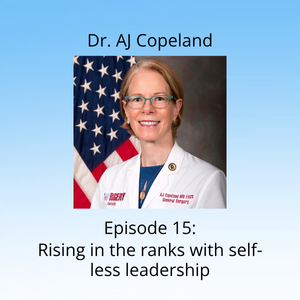
Episode 15: Rising the ranks with self-less leadership with Dr. AJ Copeland
The latest podcast episode is with Dr. AJ Copeland- a general surgeon, retired Colonel in the Army, former President of the Association of Women Surgeons and current Regent for the American College of Surgeons, and a personal hero of mine.
She describes her rise in leadership in major national surgery organizations. She is a self-described "joiner" and if there was a position that seemed right for her, she would always raise her hand to do it. Once involved in a position, she notes the importance of doing the work. She found meaningful work in AWS as a contributor on numerous projects including the AWS Pocket Mentor found here and creating the guide for patients on "What is a surgical resident" (found here) as an ACS governor.
On this episode, she shared some tips on leadership:
- if you find a need- either something that needs to get done, or you think you can do it better- then raise your hand and get involved
- When in the position, do the work
- Bring others along. You may see their potential before they do. Tell others about opportunities, and encourage them to apply.
She stressed the importance of getting involved in national societies, especially the American College of Surgeons. The ACS is the umbrella organization for all surgical subspecialties. Unlike smaller societies, the ACS has the numbers to help lobby for change, advocate for what surgeons need, and provide other services like education (SESAP, ATLS, the Clinical Congress), quality (NSQIP), and other benefits.
She is one of 24 Regents of the ACS, a part of the organization that is responsible for the big picture and directives for all surgeons. She was a Governor prior to this, a body of around 300 surgeons who act as representatives of the Fellows. Governors represent the Fellows of the American College of Surgeons, and are the official communications link between Fellows and the Board of Regents.

Episode 14: Living life and practicing medicine on your terms with Dr. Una
The latest podcast episode is with Dr. Una- a pediatrician, serial entrepreneur and the founder of EntreMD. She has educated thousands of physicians on business skills so they can build profitable businesses so they can live life and practice medicine on their own terms. Her podcast, EntreMD, is inspiring with actionable, easy steps to implement change.
On this episode, she shared some shocking statistics:
- 4/5 physicians reported burnout- that is around 800,000 doctors
- Up to 78% of physicians have thought about quitting- so even if you aren't thinking about it- you may be affected by others leaving
- We have been waiting for someone else to save medicine... but they are not coming...
The cavalry is not coming
The cavalry is already here
The calvary is US
So what can we do?
- You may be one skill away from having the job you want
- Serving and earning- we have to do BOTH
- Pick up her book- released TODAY!
- Engage in communities like BOSS and EntreMD
- Put your likes, reviews, and money to support the missions that support the changes you want to see in medicine
Dr. Una is the host of the EntreMD podcast and founder of EntreMD Business School. She is also a speaker, author and regular contributor to Forbes. She has helped hundreds of physicians get their time back, dramatically increase their bottom line and build businesses of impact.
She started a private practice when she wondered, "is this all there is?" She realized she knew NOTHING about business. She is now a serial entrepreneur with the freedom to see patients when and how she wants and pursue other interests and spend time with her family. Her mission is to help you create a business or career that will empower you to take back control.
She can be found at https://entremd.com.

Episode 24: Perspectives from a surgery program director with Dr. Jonathan Dort
The latest podcast episode features Dr. Jonathan Dort, the Director of Surgical Education for the Inova Health System and Program Director of the Surgical Residency for the Department of Surgery at the Inova Fairfax Medical Campus.
“I never understood how surgeons had egos, because it is the most continuously humbling business I can imagine being in…”
Dr. Dort left private practice to join an academic program. As program director, he has seen residency education change significantly over the years with increasing regulations and requirements.
Residents are changing, too, and learning in different ways. Gone are the days of “go read a textbook.” Residents are learning from online sources, SCORE, podcast for example.
He had great advice for those interested in applying for residency:
- There is no magic formula for getting into residency
- Do the activities you are passionate about
- Be yourself on the application. He is looking for the real you. You will be appreciated by the program you are the best fit for, and that is a path that is sustainable
-When the blood is welling in the OR, the name on your certificate is not going to bail you out
Tips for succeeding as a resident:
- “Your attitude more than your aptitude will determine your altitude”
- Wake up and decide what kind of day you are going to have
- Reminding yourself, “This is hard, I will learn from my mistakes, I am going to make mistakes, I am going to use the support from the people around me, and I am going to support the people around me, and those are the people succeed. It is a team approach”
-Burnout is not caused by hard work, it is caused by futility
If you are interested in becoming a program director:
- You have to love to teach and mentor
- The relationships you form with the mentorship last a lifetime
- You have to see three steps ahead- considering new technology (like robotics), conscious of the needed rotations
- There is gratification from taking a resident from “unconsciously incompetent to consciously incompetent, to consciously competent, then unconsciously competent.”

Episode 37: Are you working with a bad leader? Interview with Dr. Kenneth Cho
The latest BOSS podcast features Dr. Kenneth Cho. He is an interventional radiologist and Army Veteran with significant leadership experience. Once he left the military, he noted the striking difference in the leadership ranges of physicians in the civilian world. If you are struggling at work, you may wonder if it's you, or if there is something bigger going on. He and I discussed some signs that may help you decide if you are working with a bad leader.
Here are some highlights:
- Physicians learn a great deal about medicine, but not as much about leading other people.
- You should be able to trust your leaders- if they want us to follow them, we have to trust they have our best interest at hearts, they have the skills and ability to accomplish what they promise us, be honest with us, feel that they understand our position
- Articulate frequently, honestly, and authentically that they appreciate their people, do everything they can to make them feel respected, value their opinion, take suggestions whenever possible.
- MBA can help you with leadership skills, knowledge about finance, and how hospitals function which will be beneficial to the longterm success of the organization
- "Burnout" is not helpful. What is the root cause and what can be addressed?
- Leadership is service-oriented
- A bad leader is limiting what the team can do
- What do you do when you have reached a tipping point? What can you do to protect yourself?

Boss Business of Surgery Series – Episode 70
You Don’t Have to Do It Alone: Collaboration, Community, and Sustainable Practice
with Sarah Lee-Davisson, MD and Beth Avena, MD
In this episode of the Boss Business of Surgery Series, Dr. Amy Vertrees speaks with Dr. Sarah Lee-Davisson and Dr. Beth Avena about the power of collaboration in a profession that often rewards isolation, self-reliance, and silent struggle.
Together, they explore how many surgeons are trained to believe they must figure everything out on their own — from clinical challenges to career decisions — and how that belief quietly fuels burnout, overwhelm, and unnecessary suffering. This conversation reframes collaboration, community, and shared problem-solving not as weakness, but as essential tools for sustainability, clarity, and growth.
This episode is a candid discussion about building support without sacrificing competence or credibility.
In this episode, you’ll learn:
-
Why medicine conditions physicians to default to isolation
-
How self-reliance becomes a barrier to sustainability
-
Why asking for help feels risky — even for experienced surgeons
-
How collaboration improves judgment and decision-making
-
Why community protects against burnout and moral injury
-
How shared problem-solving reduces emotional load
-
Why competence does not require doing everything alone
-
How mentorship and peer support differ — and why both matter
-
Why isolation distorts perspective over time
-
How collaboration increases efficiency and creativity
-
Why vulnerability strengthens leadership rather than weakening it
-
How surgeons can build meaningful professional support networks
-
Why “figuring it out alone” is not a badge of honor
-
How community normalizes challenges that feel personal
-
Why sustainable practice requires connection
-
How trust develops through shared experience
-
Why collaboration allows physicians to stay human
-
How choosing support changes the trajectory of a career
Key themes:
-
Isolation is learned — not inevitable
-
Collaboration strengthens competence
-
Community protects sustainability
-
Asking for help is a leadership skill
-
Perspective improves in relationship
-
You don’t have to struggle in silence
-
Support reduces burnout risk
-
Medicine works better together
Resources & mentions:
-
Boss Business of Surgery Series: https://bosssurgery.com
-
Become the Boss MD
-
Physician leadership and community-building resources
This episode is essential listening for surgeons who feel alone in their challenges, unsure where to turn for support, or exhausted by the belief that they must handle everything themselves. Drs. Lee-Davisson and Avena offer a powerful reminder: you don’t lose credibility by seeking support — you gain resilience, clarity, and longevity.

Boss Business of Surgery Series – Episode 87
Perfectionism, CEO Mindset, and Stepping Into Leadership with Shawna Samuel
In this episode of the Boss Business of Surgery Series, Dr. Amy Vertrees sits down with Shawna Samuel, MBA, founder and CEO of The Mental Offload, to unpack how perfectionism shows up in high-achieving surgeons—and how it can quietly limit leadership, growth, and sustainability.
Surgeons are trained to take complete ownership, master every detail, and hold impossibly high standards. While those traits are essential early in a medical career, they can become constraints later on—especially when transitioning from working as a surgeon to leading a business as a CEO.
Shawna brings a corporate leadership perspective to this conversation, helping surgeons recognize when perfectionism is a strength, when it becomes self-sabotage, and how to develop a CEO mindset that prioritizes delegation, decision-making, and highest-value work.
In this episode, you’ll learn:
-
Why perfectionism is not a flaw—but a paradox that must be integrated, not eradicated
-
How perfectionism fuels burnout when it’s used as a weapon against yourself
-
The difference between being “perfect as you are” and still striving to improve systems and outcomes
-
Why surgeons struggle with delegation—and how ownership training contributes to that challenge
-
How opportunity cost applies to clinical work, notes, and leadership decisions
-
What it really means to shift from surgeon in the business to surgeon on the business
-
How a CEO mindset changes success from “doing everything well” to “building through others”
-
The role of asking better questions—and releasing shame about what you don’t know
-
When it’s time to bring in help and how to audit your time strategically
-
How mid-career transitions often masquerade as burnout or dissatisfaction
Key concepts discussed:
-
Perfectionism as a continuum rather than a personality defect
-
“Highest and best use” as a leadership filter
-
The gap between ideal and reality—and how it drives unnecessary suffering
-
Delegation as a leadership skill, not a personal failure
-
Letting go of hustle-based identity in favor of sustainable leadership
Resources mentioned:
-
The Perfectionist’s Guide to Losing Control by Katherine Schafler
-
The Gap and the Gain by Dan Sullivan
-
The Mental Offload Podcast
-
Shawna Samuel on Instagram: @mental_offload
-
Boss Business of Surgery Series: https://bossurgery.com

Episode 108: Building Trust as a Chief Medical Officer
In the world of leadership, sometimes the most unexpected individuals rise to the occasion and make a profound impact.
Picture this: a diagnostic radiologist turned military leader. It's a twist that no one saw coming, and yet, it had far-reaching effects on his career and those around him. But how did he navigate the challenges of leadership? How did he inspire his team to greater heights?
There's a powerful story waiting to be told, so stay tuned to discover the surprising journey of this remarkable leader.
“If we can address that thing, all these other things that we're trying to fight in the hospital get better.” - Paul Michaud
In this episode, you will be able to:
- Learn how to navigate fear and anxiety to become a more confident and effective leader.
- Strengthen your conflict management skills and enhance communication for a more harmonious and productive workplace.
- Foster a culture of trust and open communication to promote collaboration and innovation within your team.
- Gain practical strategies to tackle difficult conversations and create an environment of open dialogue for better problem-solving and team cohesion.
- Discover the power of living in alignment with your personal values and how it can positively impact your leadership style and overall fulfillment in life.
My special guest today is Paul Michaud.
Paul is a father to 5 sons, Radiologist, Certified Physician Executive, and executive leadership coach. He served in the Army for over 13 years where he earned a reputation of creating exceptional work environments for his teammates and developing innovative leadership models for the organizations he has served.
Notable past leadership positions include Chair, Department of Radiology, Chief Medical Officer, and Consultant to the Army Surgeon General. Paul currently serves as Professor of Radiology at West Virginia University, where he is pursuing his passion for teaching and developing the next generation of leaders.
He is also an organizational leadership and executive coach with a particular interest in optimizing work environments and helping individuals navigate challenging life experiences such as trauma, divorce, and transitions in their career path.
- http://linkedin.com/in/paul-michaud-755287271
- https://www.theinstituteofpurpose.com
The key moments in this episode are:
00:00:00 - Introduction
00:01:25 - Becoming a Leader
00:04:09 - Goal as a Chief Medical Officer
00:07:01 - Autonomy and Productivity
00:09:54 - Trusting and Supporting Staff
00:14:10 - Leading with Transparency
00:18:10 - Handling Conflicts and Complaints
00:19:46 - Shifting Perspective: Complaints as Opportunities
00:22:13 - The Power of Communication and Feedback
00:24:02 - Autonomy and Individualized Approaches
00:29:10 - Addressing Concerns Professionally
00:29:59 - Importance of Near Misses
00:32:22 - Understanding Adverse Outcomes
00:33:59 - Personal Struggles Impacting Work
00:37:48 - Acknowledging Personal Struggles
00:44:00 - Career Decision and Loss of Identity
00:46:04 - Letting Go and Alignment
00:47:36 - The Arrival Fallacy and Integrity
00:50:44 - Inertia and Working in Alignment
00:54:51 - Finding the Right Fit

Dr. Ferrara joins me today to talk about her remarkable journey to become a surgeon. She faced countless barriers including moving to the US, having her first categorical slot go way, gender bias, and the common trials of learning to be a surgeon. She thrived on what she describes as "pathologic optimism," which is truly evident in her positive outlook and determination despite the many obstacles she has encountered. She has shifted her career into leadership and inspiring the next generation. She is a true leader in the change that needs to happen in medicine, and surgery culture in particular.
“It takes courage to change the status quo.” -Paula Ferrara
Key Takeaways:
- Discover strategies for overcoming challenges in surgery and thriving in a demanding field.
- Embrace authenticity to unlock your full potential in the surgical profession.
- Cultivate compassion to enhance patient care and build stronger connections with your team.
- Learn the importance of personal growth in leadership and its impact on surgical success.
My special guest today is Dr. Paula Ferrara.
Dr. Paula Ferrara MD. FACS. FCCM. MAMSE., currently serves as the Division and system chief for Acute Care surgery and Trauma for the Inova healthcare system and contuse to serve as an educator as well as a professor of Medical Education for the University of Virginia.
She is a Colombian born female Surgeon-Leader. She is an internationally recognized advocate for equity, diversity and inclusion.
You can discover more about Paula Ferrara at the following links:
- Twitter: @pferrara1
- Instagram: pferrara1
The key moments in this episode are:
- 00:00:02 - Dr. Paula Ferrara's Journey to Becoming a Surgeon
- 00:04:29 - The Determination and Hustle to Achieve Goals
- 00:09:57 - The Power of Believing in Yourself
- 00:11:38 - Navigating Career Evolution and Leadership
- 00:13:42 - Institutional Loyalty and Personal Goals
- 00:14:41 - Navigating Workplace Obstacles
- 00:17:33 - Advocating for Yourself
- 00:19:43 - Changing the Surgical Culture
- 00:21:57 - Women Supporting Women
- 00:24:18 - Purpose-Driven Leadership
- 00:30:56 - Finding Passion in Leadership Positions
- 00:32:48 - The Journey to Leadership
- 00:35:51 - Authenticity and Empowerment
- 00:39:47 - Universal Alignment and Intention
- 00:42:47 - Courage and Personal Decision-Making
- 00:47:00 - The Power of Resilience in Disney Movies
- 00:47:42 - Overcoming Fear of Failure
- 00:48:00 - Living Your Life as a Compelling Story
- 00:48:41 - Finding Purpose in Challenges
- 00:49:04 - Believing in Yourself

Episode 124: The Value of a Surgeon in an Increasingly Complex World with Dr. Frank Opelka
Have you thought about the evolving role of surgeons in today's complex healthcare environment?
The latest BOSS podcast features the inspiring Dr. Frank Opelka, a true leader in the field of surgery.
We left residency thinking that we were the leaders of the team. Our jobs told us that our value is in wRVUs.
With the rise of AI, the reality is that information will be a leading influence on the team, and without proper understanding and supervision, we could be led with misinformation.
From predictive medicine to the value of surgeons in a changing system, Dr. Opelka's expertise sheds light on a whole new dimension of patient care.
“Medicine is not getting less complicated over time. It's getting more complicated, because our understanding of the science keeps growing. But our patient complexity is also growing. ” -Dr. Frank Opelka
Key Takeaways
- Gain insights into the evolving landscape of surgery and stay ahead of the curve in healthcare advancements.
- Discover the importance of transparency in healthcare and how it can positively impact patient outcomes and satisfaction.
- Learn strategies to help patients attain their goals in care, leading to improved overall well-being and recovery.
- Explore the benefits of surgeon coaching for professional development and enhancing surgical skills.
- Uncover the potential of AI in shaping the future of surgery and its impact on patient care and surgical outcomes.
About Dr. Frank Opelka
Frank Opelka, MD FACS is a recognized expert in healthcare quality and health policy. He is currently the primary consultant having founded Episodes of Care Solutions, LLC. Dr. Opelka is the immediate past medical director for quality and health policy for the American College of Surgeons. He has served the College in various quality and policy roles for over 30 years. His expertise stretches from payment policy to systems design, quality measurement, and includes healthcare informatics. His roles have included an advisory capacity and surgical representative to various health policy and quality committees throughout the Washington DC landscape. He has testified and advised both houses of the US Congress as well as served in an advisory role to four presidential administrations and a long list of federal agencies.
Dr. Opelka's early work involved standing up the Relative Value Update Committee, known as the RUC. In his recent work, he has moved away from defining surgeons by RVUs and promotes the value of a surgeon for the many contributions surgeons bring that are outside the boundaries of RVUs. Dr. Opelka served on the Medicare Episode Grouper development project that created open standards for defining surgical episodes of care. He currently serves as the chair of the board of the PACES Center which is the non-profit organization that continues to promote physician-defined episode definitions for use in price transparency. Dr. Opelka is involved in several consultant projects to better align surgical quality to meet the patients needs in finding care, to aid surgeons in driving improvement, and to assisting payers in understanding aligned incentives to reward care.
In addition, Dr. Opelka's work in informatics highlights the importance of expertise in a generative AI world of knowledge management. He insists we are on the cusp of a knowledge explosion in healthcare and the importance of specialists to find the "signal" amidst all the "noise" has increasing relevance. It is less about EHRs and registries and more about trusted knowledge. He supports policy efforts to secure knowledge bases that are filtered by experts before seeking generative AI analytics.
Finally, Dr. Opelka is an author and public speaker with countless contributions in texts, peer-reviewed journals, editorial staff and policy manuscripts.
Key Moments
00:00:02 - Introduction and Guest Introduction
00:03:07 - The Complexity of the System
00:07:10 - Overcoming Barriers in Healthcare
00:12:45 - Trustworthy Knowledge Sources
00:16:38 - Current Data Pools and Future Considerations
00:17:07 - Enhancing Data Integrity
00:18:49 - Health Information Exchange
00:20:29 - Patient Goal Attainment
00:23:38 - Transition to Patient-Centric Care
00:30:38 - Predictive Medicine and Knowledge Management
00:34:11 - The Future of Medical Education and Residencies
00:35:26 - The Role of AI in Healthcare
00:37:33 - Developing Surgeons as Leaders
00:39:12 - The Role of a Surgeon Coach
00:43:24 - Dr. Opelka's Projects and Future Endeavors
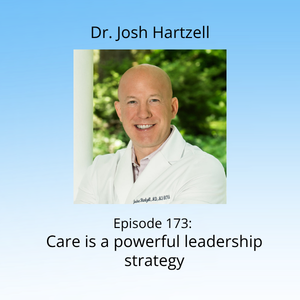
This meeting featured a discussion with Dr. Josh Hartzell about his new book 'A Prescription for Caring in Healthcare Leadership'. Dr. Hartzell, a recently retired army colonel with 25 years in military medicine, shared insights about building a culture of compassion and excellence in healthcare leadership. He emphasized how healthcare, despite being a caring profession, often neglects its own people. The discussion covered the importance of caring leadership, delegation, giving feedback, and expressing gratitude in healthcare settings. Dr. Hartzell shared personal experiences from his military career and discussed how early influences shaped his leadership philosophy. The conversation highlighted the critical need to balance mission accomplishment with caring for people, addressing burnout in healthcare, and creating positive organizational cultures through intentional leadership practices.
Chapters
Introduction to Dr. Hartzell and His Book
The host introduces Dr. Josh Hartzell and his book 'A Prescription for Caring in Healthcare Leadership'. Dr. Hartzell explains his background as a retired army colonel with 25 years in military medicine.
The State of Healthcare Leadership
Discussion reveals healthcare as one of the most toxic industries despite being a caring profession and highlights the need for better care of healthcare workers.
Early Influences and Leadership Development
Dr. Hartzell shares how his parents and early mentors shaped his understanding of caring leadership, including examples from his mother's work at Walmart and his father's community service.
Balancing Mission and People
The discussion explores how good managers can accomplish both mission objectives and care for their people, challenging the traditional 'mission first' mentality in healthcare.
Delegation and Growth Opportunities
Dr. Hartzell explains how effective delegation shows respect for others' roles and provides growth opportunities, emphasizing the importance of transparent communication.
Action Items
- Hartzell recommends leaders should actively look for reasons to say thank you to all staff members, from physicians to cleaning staff
- Leaders should set boundaries and make personal health a priority to model work-life balance for their teams
- Healthcare leaders should implement systematic changes to address burnout rather than just offering temporary solutions
- Leaders should provide both positive and constructive feedback to build trust and improve performance
- Organizations should focus on creating transparent systems for delegation and professional development
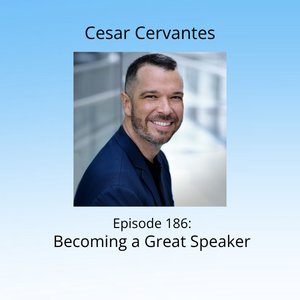
What makes a great speech? In this episode, Dr. Amy Vertrees welcomes Cesar Cervantes, author, stand-up comedian turned speaker coach, and expert on public speaking strategy. Cesar shares how his comedy roots led him to discover the power of humor, vulnerability, and story structure—and how surgeons and professionals alike can apply these principles to speak with authenticity and impact.
Whether you’re giving a keynote, TEDx talk, or medical presentation, Cesar offers actionable advice on overcoming nerves, building credibility without listing credentials, and centering your talk around your audience—not yourself.
🧠 Key Takeaways:
-
The True Purpose of Speaking: It’s not about showcasing yourself—it’s about transforming your audience.
-
Common Mistakes Speakers Make: Poor structure, over-reliance on personal stories, and performance anxiety.
-
Establishing Credibility: Use relatable experiences and natural conversation, not a list of accomplishments.
-
TEDx-Level Structure: Focus on the audience’s journey. Present the problem, guide them through it, and offer a solution.
-
Overcoming Nervousness: Be prepared, shift focus to your audience, and use physiological tools (like exercise and breathing).
-
The ROI of Public Speaking: Boost your credibility, expand your reach, and grow your impact both professionally and personally.
🔍 Topics Covered:
-
How stand-up comedy taught Cesar the value of authentic connection
-
Why humor and vulnerability create trust on stage
-
The differences between keynotes, TEDx talks, and workshops
-
The three biggest pain points in speaking: structure, writing, delivery
-
The value of ghostwriting and coaching for professionals
-
How speaking can enhance your surgical, clinical, and leadership voice
-
Tips for stage presence and battling performance anxiety
-
Making the shift from "what do I say?" to "how can I serve?"
📘 Resources & Mentions:
-
Get your book here Great Speech by Cesar Cervantes
-
Speaker Coach & Speechwriter
Schedule a call here!
Subscribe to the Newsletter
Join hisFacebook group:
Join the fun here!
Want to work with Cesar?
Learn more about our TEDx Mentorship
Let's write your Keynote Speech
📣 Call to Action
✅ Want to speak with more confidence and clarity?
✅ Thinking about your next big talk, panel, or lecture?
🎧 Don’t miss this episode—and grab a copy of Great Speech to start crafting talks that truly matter.
👉 Subscribe to the BOSS Business of Surgery Series on your favorite podcast platform, and leave a review if this episode helped you!
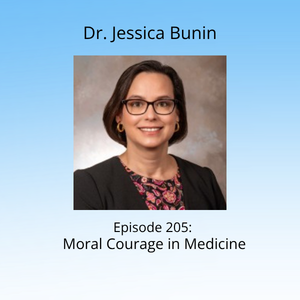
In this episode, host Dr. Amy Vertrees sits down with Dr. Jessica Bunin, a West Point graduate, psychiatrist turned critical care physician, and co-founder of All Levels Leadership. With over two decades of military service, Dr. Bunin brings a deep understanding of leadership, followership, and moral courage to the conversation.
Together, they explore what it means to practice moral courage in healthcare — especially when values and organizational directives collide. Dr. Bunin shares how her experiences in the military and medicine shaped her commitment to developing leadership skills at all career stages and helping physicians navigate ethical and professional challenges with clarity and resilience.
Listeners will walk away with practical frameworks for building moral courage, developing supportive professional networks, and finding fulfillment in environments that may not always align with personal values.
🧭 Key Topics Covered
-
The founding story of All Levels Leadership and its mission to teach leadership at every career stage
-
Redefining followership as "practicing influence when you don’t have authority"
-
The three elements of moral courage — values, risk, and endurance
-
Strategies for navigating moral dilemmas and maintaining integrity in complex healthcare environments
-
How to build a moral courage support system of advisors, peers, knowledge sources, and wellness practices
-
The power of longitudinal coaching and finding mentors who understand your patterns
-
Finding flow and fulfillment even in misaligned organizations
-
Why authentic connection and honesty about career aspirations are key to professional growth
🕰️ Episode Chapters
00:00:02 – Introduction to Dr. Jessica Bunin
Background in military medicine and transition to leadership coaching.
00:01:07 – Founding All Levels Leadership
Identifying the leadership education gap for early-career physicians.
00:04:03 – The All Levels Leadership Team
How a diverse team of clinicians built a mission-driven organization.
00:05:57 – Origins of Moral Courage
From teaching followership to exploring moral action.
00:08:56 – Redefining Leadership and Followership
How influence, not authority, drives meaningful change.
00:12:37 – Defining Moral Courage
Understanding values, risk, and endurance in ethical decision-making.
00:19:21 – Navigating Moral Dilemmas
Balancing leadership responsibility with personal integrity.
00:23:22 – The Value of Longitudinal Coaching
How sustained mentorship provides clarity and resilience.
00:25:14 – All Levels Leadership Services
Coaching, consulting, and education for healthcare professionals.
00:29:57 – Navigating Misaligned Environments
Finding joy, building networks, and identifying sources of “flow.”
00:33:18 – The Power of Authentic Connections
Why honesty about your aspirations creates better opportunities.
✅ Action Items & Takeaways
-
Build a moral courage support system — advisors, peers, knowledge sources, and wellness practices.
-
Develop long-term coaching relationships for honest feedback and growth.
-
Seek mentors through trusted recommendations, not blind outreach.
-
Identify aspects of work that bring joy and flow to sustain well-being.
-
Maintain professional connections over time, even with minimal contact, to preserve opportunities and trust.
🔗 Resources Mentioned
-
All Levels Leadership – Coaching, consulting, and leadership education for healthcare professionals.
-
Learn more about Dr. Jessica Bunin and her work on moral courage and professional identity formation.
💬 Favorite Quotes
“Moral courage is knowing your values, recognizing the risks of standing up for them, and finding ways to endure the consequences.” – Dr. Jessica Bunin
“What we really owe to people is to be our best selves.” – Dr. Jessica Bunin

Meet Your Host
Amy Vertrees, MD is a board-certified general surgeon, certified coach, and the founder and host of the BOSS Business of Surgery Series podcast — a show dedicated to helping surgeons build confidence, clarity, and control in their careers by mastering the skills residency never taught them. After completing surgical training and serving in the military, Amy realized that clinical excellence alone wasn’t enough to navigate the complexities of contracts, practice dynamics, negotiation, and career growth. What started as her personal journey to learn “what’s next” transformed into a mission to empower fellow surgeons with the tools to thrive both professionally and personally. .
Learn More >