Welcome to the
The BOSS Business of Surgery Series Podcast
With Amy Vertrees, MD
Different Career Options
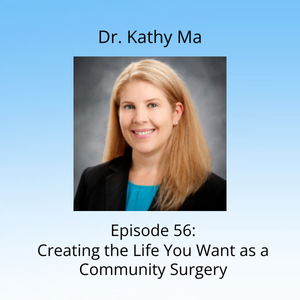
Boss Business of Surgery Series – Episode 56
Community Surgery: Scope, Boundaries, Ego, and Building a Practice That Fits Your Life
with Dr. Kathy Ma
In this episode of the Boss Business of Surgery Series, Dr. Amy Vertrees talks with Dr. Kathy Ma, a community orthopedic foot and ankle surgeon, about what life actually looks like outside the academic ivory tower — the advantages, the hidden pitfalls, and the mindset shifts required to thrive as a community surgeon.
Dr. Ma shares her journey from physical therapist to orthopedic surgeon, her early years navigating the limitations of community hospitals, and the hard-earned lessons that helped her redesign a practice aligned with her skills, values, and family life. This is a candid conversation about ego, isolation, transfer decisions, boundaries, and redefining what “enough” looks like in a surgical career.
In this episode, you’ll learn:
-
Why most surgeons misunderstand what community surgery really involves
-
How assumptions from academic training create friction with community surgeons
-
Why patient transfers are often about system limitations, not surgeon skill
-
How lack of pediatric, ID, ICU, or in-house coverage affects surgical decision-making
-
Why whisper networks and indirect criticism are especially damaging early in practice
-
How people-pleasing and self-blame cause surgeons to hold onto cases too long
-
The difference between being capable of a surgery and being the best person to do it
-
How ego quietly influences decisions to keep complex cases
-
Why surgeons must consider post-op resources — not just the operation itself
-
How isolation uniquely affects community surgeons
-
The emotional toll of watching predictable poor outcomes, even when care is appropriate
-
Why doing fewer complex cases can actually improve patient care
-
How “mission-first” thinking clarifies difficult transfer decisions
-
Why being the hero is often fueled by dopamine rather than good boundaries
-
How surgeons unintentionally violate their own limits
-
Why disappointment is unavoidable — and necessary — for sustainability
-
How learning to tolerate disappointment protects against burnout
-
Why sleep, family time, and white space are not indulgences
-
How opening an ambulatory surgery center transformed Dr. Ma’s practice
-
Why outpatient surgery accelerated after COVID
-
How efficiency and autonomy restore joy in surgical work
-
The difference between being visible and being valuable
-
Why community surgeons don’t need podiums or publications to have meaningful careers
Key themes:
-
Community surgery is not “less than” academic surgery
-
Patient safety includes system capacity and surgeon sustainability
-
Ego and identity drive many early-career decisions
-
Boundaries are learned skills, not character traits
-
Disappointment is the cost of sustainability
-
Being needed is different from being indispensable
-
You don’t have to do everything to be an excellent surgeon
-
A fulfilling career doesn’t have to be loud or highly visible
-
“Enough” is a valid destination
Advice for academic surgeons:
-
Don’t assume why a patient is being transferred
-
Pick up the phone and talk directly to the community surgeon
-
Recognize the hidden system constraints outside tertiary centers
-
Understand that many “no’s” come from administration, not surgeons
-
Direct communication builds trust and protects patients
Resources:
-
Boss Business of Surgery Series: https://bosssurgery.com
This episode is essential listening for surgeons considering community practice — and for academic surgeons who want to better understand the realities their community colleagues face. Dr. Ma’s closing message is both grounding and reassuring: you don’t need a grand, visible career to have a meaningful one — doing good work, caring for patients, and building a life that fits is more than enough.
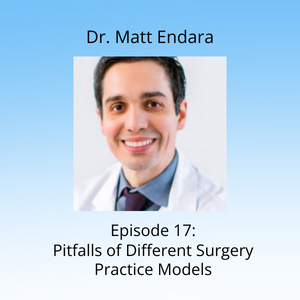
Episode 17: Pitfalls of different surgery practice models with Dr. Matt Endara
The latest podcast episode is with Dr. Matt Endara- a plastic surgeon who has experienced multiple practice models. I thought this would be a great time to talk about different models given that many of you are looking for jobs.
On this episode, we talked about how you get paid:
Many hospital-based practices are rvu based. This is a productivity model with rvu (relative value unit) as the benchmark for determining your productivity. Each case, note, procedure have an assigned rvu value. The amount you get paid per rvu is dependent on the region you are in, and can be negotiated.
Private practice models are run by individual surgeons. They can be small or large, depending on the specialty or the area. It is important to understand the overhead (expenses) and income generated to know if you are joining a viable practice. Many private practices are joining practice management groups which handle the HR, regulations, bills/insurance denials, negotiating contracts with insurance companies. This hybrid allows control of the practice without some of the headaches (Dr. Vertrees' practice is this model)
Aesthetics is often fee-for-service models without going through insurance. Many plastic surgeons will have a mixed model with aesthetics (fee-for-service) and insurance based practice (Dr. Endara's practice is this model).
(although we didn't talk about it- Kaiser is an example of paying by the hours worked with possibility of partner. We also did not cover private practices where you "buy in" and have the potential to "make partner". Definitely get a lawyer and an accountant to review the options for a job like this).
What are some of the pitfalls to look for?:
- Family-run business or mom-and-pop businesses that don't know their numbers. They may have a viable practice, but noone really knows
- The payor mix in the area. If there are a lot of uninsured, you may have challenges maintaining a viable practice
- What will you get paid after the guaranteed income is up?
- Do you know what are the trade-offs for big city practices and smaller community hospitals?
- Are you keeping up with the times (new technology) and protecting against lack of diversity (pandemic-proofing your practice)
Please rate and review the show!
Do you have a topic you want covered? Send me an email at [email protected]
Dr. Endara can be found at https://perfectenn.com/about
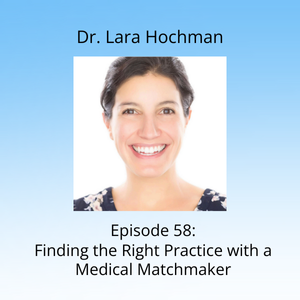
Boss Business of Surgery Series – Episode 58
Leadership, Limits, and Letting Go of Over-Responsibility
with Dr. Lara Hochman
In this episode of the Boss Business of Surgery Series, Dr. Amy Vertrees speaks with Dr. Lara Hochman, surgeon, coach, and physician leader, about one of the most common — and most exhausting — patterns in medicine: over-responsibility.
Dr. Hochman shares how high-achieving physicians are trained to absorb responsibility far beyond what is healthy or necessary, often confusing leadership with self-sacrifice. This conversation explores how over-functioning quietly drives burnout, resentment, and emotional exhaustion — and how learning to set limits does not mean lowering standards or caring less.
Instead, this episode reframes boundaries, delegation, and emotional regulation as core leadership skills that protect patients, teams, and physicians themselves.
In this episode, you’ll learn:
-
How physicians are trained to over-identify with responsibility
-
Why being “the reliable one” often leads to silent burnout
-
The difference between leadership and over-functioning
-
How taking responsibility for everyone else’s emotions drains energy
-
Why fixing problems for others robs them of growth and accountability
-
How guilt shows up when physicians start setting limits
-
Why boundaries initially feel uncomfortable — even when they’re necessary
-
How resentment is often a signal that limits have been crossed
-
Why saying yes too often creates downstream consequences
-
How emotional regulation changes team dynamics
-
The cost of rescuing colleagues instead of collaborating with them
-
How to recognize when responsibility has tipped into self-abandonment
-
Why “I’ll just do it myself” is rarely neutral
-
How perfectionism and people-pleasing reinforce over-responsibility
-
Why boundaries are not ultimatums — they’re clarity
-
How to tolerate others’ disappointment without taking it personally
-
Why leadership requires letting others feel discomfort
-
How practicing limits builds trust rather than eroding it
-
Why sustainable leadership includes rest, recovery, and self-respect
Key themes:
-
Over-responsibility is learned — and can be unlearned
-
Leadership is not self-sacrifice
-
Boundaries protect relationships
-
Resentment is valuable data
-
Emotional regulation is a leadership skill
-
You can care deeply without carrying everything
-
Letting go creates space for others to step up
Resources & mentions:
-
Boss Business of Surgery Series: https://bosssurgery.com
-
Coaching and leadership development for physicians
-
Become the Boss MD
This episode is essential listening for surgeons and physicians who feel chronically overextended, emotionally responsible for everyone around them, or quietly resentful despite loving their work. Dr. Hochman’s message is both grounding and freeing: you can be an excellent leader without carrying what was never yours to hold.
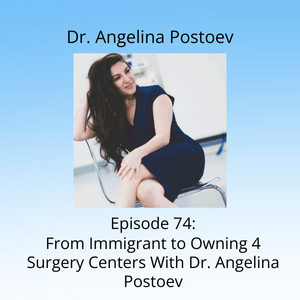
Episode 74: From immigrant to owning 4 surgery centers with Dr. Angelina Postoev
Dr. Angelina Postoev MD. FACS is an entrepreneur and triple board certified surgeon by the American Board of Surgery and the American Academy of Cosmetic Surgery. She is the president and co-founder of IBI HealthCare Institute Surgery Centers with locations in Buckhead, Atlanta and Loganville , GA since 2011. She completed her residency at the Cleveland Clinic Foundation, one year of surgical critical care at the Ohio state, and finally one year of Cosmetic surgery fellowship. Dr. Postoev is also a clinical professor of surgery, and educates the importance of promoting women in healthcare and business. Dr. Postoev has over 12 years of experience that she brought to IBI HealthCare Institute.
An immigrant of Europe, Dr. Postoev moved to Ohio with her family at the age of 15. She was academically accelerated when she arrived in the states and began her collegiate career at 16 vears old at Ohio State Universitv. After completing residency at the famed Cleveland Clinic Foundation Dr. Postoey opened her own practice. She and her team are widely known for staving at the leading edge of the latest developments in Bariatric surgical to non-surgical approaches. She has been successful operating multi location practices to connect with patients directly and educating them on the best treatments for their overall health needs.
Dr.Postoev has her sights set on expansion and will be opening a fifth practice location in the Orlando, FL area. She has created a national reputation for herself as
an expert general, and cosmetic surgeon.
Patients come from all over the country to consult with Dr. Postoev. She is one of very few doctors with a unique skill set in her specialties. Dr. Postoev is driven to educate and truly advocate for the patient.

Boss Business of Surgery Series – Episode 80
When Your Body Says No: Burnout, Boundaries, and Listening to the Signals
with Dr. Weilli Grey
In this episode of the Boss Business of Surgery Series, Dr. Amy Vertrees speaks with Dr. Weilli Grey, surgeon and physician leader, about what happens when the body starts sending signals that the pace, pressure, or expectations of work are no longer sustainable.
Dr. Grey shares her personal experience of physical symptoms, exhaustion, and warning signs that were easy to rationalize away — until they couldn’t be ignored. Together, they explore how physicians are trained to override discomfort, dismiss symptoms, and keep going, often at the expense of long-term health, clarity, and joy.
This episode reframes burnout not as weakness or failure, but as information — a signal that something needs attention, adjustment, or protection.
In this episode, you’ll learn:
-
How physicians are conditioned to ignore physical and emotional warning signs
-
Why burnout often shows up first in the body, not the mind
-
How fatigue, pain, and anxiety become “normalized” in medical culture
-
Why powering through symptoms delays recovery rather than preventing it
-
How chronic stress affects sleep, cognition, and emotional regulation
-
Why high performers are especially skilled at minimizing red flags
-
The difference between resilience and self-abandonment
-
How boundaries protect health before crisis hits
-
Why listening to your body requires unlearning medical training norms
-
How guilt shows up when physicians slow down or step back
-
Why rest is often the most uncomfortable — and necessary — intervention
-
How identity tied to productivity complicates recovery
-
Why saying “something isn’t right” is an act of leadership
-
How early intervention prevents forced endings later
-
The cost of waiting until you are completely depleted
-
How tuning into physical signals rebuilds trust with yourself
-
Why sustainable careers require ongoing recalibration, not endurance
Key themes:
-
The body keeps score
-
Burnout is information, not failure
-
Symptoms are signals, not inconveniences
-
Listening early prevents crisis later
-
Boundaries protect health and longevity
-
Productivity is not the same as worth
-
Self-trust is rebuilt by paying attention
-
You are allowed to adjust before breaking
Resources & mentions:
-
Boss Business of Surgery Series: https://bosssurgery.com
-
Become the Boss MD
-
Coaching and burnout recovery support for physicians
This episode is essential listening for surgeons who feel persistently tired, disconnected from their bodies, or uneasy about how much they are pushing themselves. Dr. Grey’s story is a powerful reminder that your body is not betraying you — it is communicating with you, and learning to listen can change everything.

Episode 85: Pursuing your passion project and staying in medicine with Dr. Sujin Lee
The latest BOSS podcast episode features Dr. Sujin Lee, a neurorehab physician in private practice and a certified coach. She has a passion for helping physicians pursue their passion projects by learning more about entrepreneurship and how it is possible while also still pursuing medicine.
So many of us are struggling, but you don’t have to leave medicine. The best way to stay in medicine and pursue your passion projects is to learn more about boundaries, your values, and self-compassion.
She shows us that It’s possible to help others on a bigger scale, and the secret is learning the entrepreneur mindset.
“ Nobody went to medical school by themselves. Nobody went through the residency by themselves. The reason why there's a program, the reason why there is a school is because they know it's hard in the entrepreneur space, especially a physician entrepreneur space, there's not that many community. So finding that community is very helpful.”
You can find more about her through her website sujinleemd.com FB page https://www.facebook.com/sujinleemd IG https://www.instagram.com/sujinleemd/

Boss Business of Surgery Series – Episode 81
Bias, Triggers, and Owning a Surgery Center
with Vivian Asamoah, MD
In this episode of the Boss Business of Surgery Series, Dr. Amy Vertrees speaks with Dr. Vivian Asamoah, surgeon and physician entrepreneur, about the layered realities of owning a surgery center while navigating bias, emotional triggers, and leadership challenges that are rarely discussed openly.
Dr. Asamoah shares her experiences building and leading in spaces where authority is questioned, assumptions are made, and scrutiny is heightened — especially for women and underrepresented physicians in ownership roles. Together, they explore how bias shows up both externally and internally, how emotional triggers are often shaped by repeated exposure to inequity, and how awareness is essential for sustainable leadership.
This episode weaves together ownership, emotional intelligence, and equity, offering a grounded look at what it truly takes to lead without losing yourself.
In this episode, you’ll learn:
-
How bias shows up in subtle and overt ways in surgical leadership
-
Why ownership can amplify visibility — and scrutiny
-
How repeated bias creates emotional triggers over time
-
Why triggers are signals, not flaws
-
How emotional regulation supports effective leadership
-
Why self-awareness matters more as responsibility grows
-
How bias influences interactions with staff, vendors, and peers
-
Why women and underrepresented physicians are often questioned differently
-
How ownership changes power dynamics in healthcare
-
Why silence around bias compounds its impact
-
How naming experiences restores clarity and agency
-
Why leadership requires internal steadiness as well as authority
-
How boundaries protect energy in high-responsibility roles
-
Why reacting less does not mean tolerating more
-
How to separate personal worth from others’ projections
-
Why owning a surgery center demands both business and emotional skills
-
How intentional leadership improves culture and outcomes
-
Why sustainability depends on self-trust and regulation
Key themes:
-
Bias is systemic, not imagined
-
Triggers carry information
-
Ownership increases responsibility and visibility
-
Emotional intelligence strengthens authority
-
Awareness precedes effective response
-
Boundaries protect leadership capacity
-
Naming experiences reduces their power
-
Sustainable leadership requires internal alignment
Resources & mentions:
-
Boss Business of Surgery Series: https://bosssurgery.com
-
Become the Boss MD
-
Resources on physician leadership, equity, and practice ownership
This episode is essential listening for surgeons considering ownership, currently leading high-responsibility ventures, or navigating bias in professional spaces. Dr. Asamoah’s perspective is both validating and empowering: you can acknowledge bias, regulate your responses, and still lead with clarity, authority, and integrity — ownership doesn’t require self-erasure.
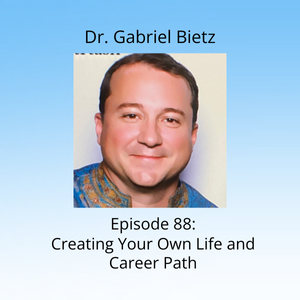
Episode 88: Creating Your Own Life and Career Path with Dr. Gabriel Bietz
"Patients don't need more information, they need more interpretation of the information we have."
The latest BOSS podcast highlights Dr. Gretchen Schwarze and her groundbreaking work on counseling patients in difficult situations to help them make the decision that is best for them.
She describes her Best Case/Worst Case research and a simple way to talk through the challenging conversations we have with patients who have a high risk of surgery.
She describes the project on the episode, and her simple diagram and guides can be found here:
https://patientpreferences.org/best-case-worst-case/
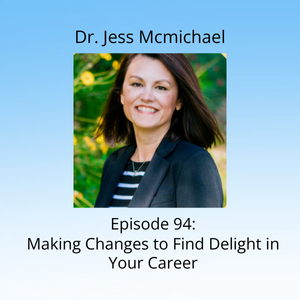
Episode 94: Making Changes to Find Delight in Your Career with Dr. Jess Mcmichael
What do you want to feel in your career?
In the latest BOSS podcast, Dr. Jess McMichael realized she wanted to feel delight when she saw her daughter playing- and realized she had lost that feeling over time.
She decided to make major changes in her career as an orthopedic surgeon.
We often worry about what other people will think when we make career changes.
She shares what she learned when she navigated a successful shift in her career.
--
Dr. McMichael is an orthopaedic surgeon, wife, mother and coach. She graduated from Saint Louis University School of Medicine Orthopaedic Surgery residency in 2009. As a surgeon, her zone of genius is fracture care and complex pediatric limb reconstruction. As a coach, Dr. McMichael guides women surgeons on a path of ever-increasing personal power. Her mission is to create a modern landscape of surgery characterized by optimal patient safety, innovative surgical education, and satisfied surgeons.
https://www.thecleanbluetowel.com/
Social media
https://www.linkedin.com/in/jessica-mcmichael-md-8a395646/
https://www.facebook.com/groups/390563148592697
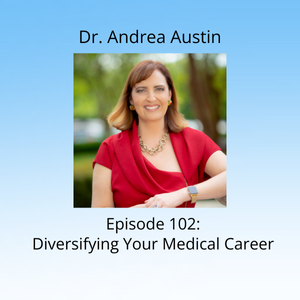
Episode 102: Diversifying Your Medical Career with Dr. Andrea Austin
This is part 2 of our joint podcast, find part 1 here:
Part one
Dr. Austin and I talked about the challenges our ED physicians are facing in the current environment of private equity, discouragement post-COVID and other challenges.
She shared how a toxic job opened her eyes to the importance of a diversified career, gender parity in leadership, and how to recover from a toxic job.
She found a new mission to revitalize other doctors with her podcast, "The Revitalizing Doctor" and her group coaching program "Revitalize Women Physicians Circle." With Dr. Linda Lawrence, their goal is to create gender parity in medicine, break through the, the leadership hurdles.
In this episode, you will be able to:
-
Discover the evolving career opportunities in emergency medicine and gain insights on how to navigate the changing landscape.
-
Learn effective strategies to combat burnout and create a healthier work environment in healthcare.
-
Explore the importance of physician involvement in leadership roles and decision-making processes for driving positive change in healthcare.
-
Uncover practical tips for recovering from a toxic work environment and reclaiming joy in your medical career.
-
Gain inspiration and insights on diversifying your career path in medicine, with a focus on achieving gender parity.
My special guest is Andrea Austin
We are honored to have Dr. Andrea Austin as our guest today. As a former Navy emergency room physician and current simulation director, Dr. Austin brings a unique perspective to the table. Her journey towards finding work-life harmony in medicine is both inspiring and relatable. With her experience and expertise, she has valuable insights to share about diversifying career paths in medicine and achieving gender parity. Dr. Austin's ability to navigate the ever-changing landscape of medicine, while staying true to her passions and values, is truly remarkable. Her story serves as a beacon of hope for medical professionals seeking to carve their own paths and create a fulfilling career. We are excited to dive deep into Dr. Austin's experiences and tap into her wisdom as she sheds light on achieving gender parity and work-life harmony in the medical field.
The key moments in this episode are:
00:00:02 - Introduction,
00:00:41 - The Importance of Diversifying,
00:02:07 - Making a Career Change,
00:06:26 - Exploring Different Opportunities,
00:10:11 - Challenges in Emergency Medicine,
00:16:24 - The Importance of Physician Engagement,
00:17:54 - Stepping Up into Leadership,
00:19:32 - Getting Doctors and Surgeons Involved,
00:22:31 - Embracing Expertise and Giving Room for Growth,
00:26:16 - Recovering from Toxic Workplaces,
00:32:13 - Excitement for Practicing Emergency Medicine,
00:32:27 - Letting Go to Enjoy,
00:32:53 - Reasons to Diversify Career Paths,
00:33:30 - Creating Gender Parity in Medicine,
00:35:13 - The Power of Collective Support,
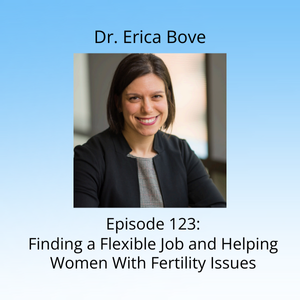
Episode 123: Finding a Flexible Job and Helping Women with Fertility Issues with Dr. Erica Bove
Have you heard these myths about balancing medicine and fertility?
- Myth 1: You have to sacrifice your career for your family.
- Myth 2: Fertility treatments always work.
- Myth 3: You can't have it all.
Join my special guest today, Dr. Erica Bove, as she shares her story of practicing medicine on her own terms while navigating fertility challenges. From breaking free of traditional constraints to empowering women physicians, her path to achieving work-life balance and informed fertility decisions will inspire you.
“This was the first time in six years I had cried. And I remember having this image of this open, gaping wound.” -Dr. Erica Bove
Key Takeaways
- Discover the transformative impact of coaching on increasing self-awareness and personal growth.
- Overcome the barriers of perfectionism and self-doubt to unlock your full potential in both your professional and personal life.
- Learn effective strategies for balancing the demands of your career with your personal priorities and well-being.
- Gain insights into the unique fertility challenges faced by female physicians and how to navigate them with confidence.
- Understand the importance of proactive fertility preservation and make informed decisions about your reproductive health.
About Dr. Erica Bove
Erica Bove, MD, is a double board certified OB-GYN and Reproductive Endocrinologist (REI) physician at the University of Vermont, as well as a certified life coach through The Life Coach School. She is also the founder of Love and Science: Thriving Through Infertility. She has a keen interest in marrying an evidence-based approach with intuitive knowing in the context of a trusting relationship.
She is beyond excited to bring coaching skills and paradigms to help women professionals thrive while undergoing fertility treatments. She is an expert in the field of sex and intimacy, as well as embodiment and mindful self compassion. She believes that the best outcomes are obtained when the whole person is seen and understood.
Her mission is to heal and support the healers and to create a legacy she is proud of.
If you're curious:
- Undergrad: University of Notre Dame
- Med school: University of Vermont
- Residency: New York Presbyterian Hospital-Columbia
- Fellowship: University of Michigan
Find Out More
- Linked In: www.linkedin.com/in/erica-bove-0701a0173
- IG: https://www.instagram.com/loveandsciencefertility/
- FB: https://www.facebook.com/profile.php?id=61553692167183
Key Moments
00:00:00 - Empowering Women in Medicine
00:02:38 - Recognizing Unmet Needs
00:06:04 - The Power of Coaching
00:09:57 - Challenging Limiting Beliefs
00:11:41 - Rethinking Success and Reality
00:12:15 - Internal Success Metrics
00:13:18 - Creating Job Flexibility
00:15:24 - Job Transition and New Opportunities
00:21:02 - Fertility Coaching Practice
00:24:06 - Addressing Emotions and Priority Shifts in Infertility Journey
00:26:06 - Increased Risk of Infertility in Surgeons
00:28:00 - Fertility Preservation and Support for Surgery Residents
00:29:51 - Proactive Approach to Fertility Awareness
00:33:28 - Creating a Supportive Culture in Medicine
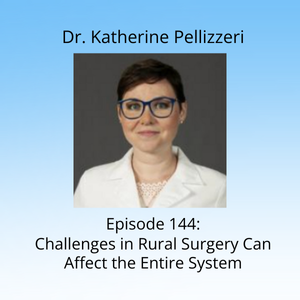
Boss Business of Surgery Series – Episode 144
Challenges in Rural Surgery Can Affect the Entire System
with Katherine Pellizzeri, MD
In this episode of the Boss Business of Surgery Series, Dr. Amy Vertrees speaks with Dr. Katherine Pellizzeri, surgeon and physician leader, about the realities of rural surgery — and why challenges faced in rural settings ripple far beyond individual hospitals, affecting referral patterns, access to care, and the health of entire systems.
Dr. Pellizzeri shares on-the-ground insights into staffing shortages, resource constraints, call burden, and the moral weight rural surgeons often carry when they are the only option for miles. Together, they explore how rural surgeons routinely absorb system failures, how burnout and attrition in rural settings destabilize broader networks, and why solutions must address structure — not just individual resilience.
This episode reframes rural surgery as foundational to system stability, not peripheral to it.
In this episode, you’ll learn:
-
Why rural surgery is critical to the health of regional care systems
-
How staffing shortages compound risk and burnout in rural settings
-
Why rural surgeons often carry disproportionate call and responsibility
-
How limited resources shape clinical decision-making
-
Why transfers are frequently system-driven, not skill-related
-
How rural hospital closures affect urban and tertiary centers
-
Why recruitment and retention are persistent challenges
-
How moral distress develops when options are constrained
-
Why rural surgeons often normalize unsustainable conditions
-
How isolation impacts judgment, well-being, and longevity
-
Why “just be more resilient” is not a solution
-
How system-level failures get absorbed at the bedside
-
Why losing one rural surgeon can destabilize an entire region
-
How rural surgery exposes cracks in healthcare infrastructure
-
Why collaboration between rural and tertiary centers matters
-
How better support improves patient safety and physician sustainability
-
Why policy, payment models, and staffing structures matter
-
How valuing rural surgery protects access for everyone
Key themes:
-
Rural surgery is system-critical, not optional
-
Isolation magnifies risk and burnout
-
System failures land on individual surgeons
-
Sustainability requires structural support
-
Transfers reflect resources, not competence
-
Workforce stability protects access to care
-
Rural and urban systems are interconnected
-
Supporting rural surgeons supports everyone
Resources & mentions:
-
Boss Business of Surgery Series: https://bosssurgery.com
-
Become the Boss MD
-
Resources on rural healthcare, workforce sustainability, and physician leadership
This episode is essential listening for surgeons, administrators, and policymakers who want to understand how rural healthcare challenges cascade across the system. Dr. Pellizzeri’s perspective makes one thing clear: when rural surgery is under-supported, the entire healthcare system feels the strain — and strengthening rural practice is a shared responsibility.

Boss Business of Surgery Series – Episode 151
Challenges in Rural Surgery
with Jill Ties, MD
In this episode of the Boss Business of Surgery Series, Dr. Amy Vertrees speaks with Dr. Jill Ties, surgeon and physician leader, about the lived realities of rural surgery — and why the challenges rural surgeons face are not isolated problems, but structural issues with wide-reaching consequences.
Dr. Ties shares firsthand insights into practicing in resource-limited settings where surgeons are often expected to be everything at once: clinician, administrator, problem-solver, and safety net. Together, they explore how staffing shortages, call burden, limited specialty backup, and geographic isolation shape clinical decisions, contribute to burnout, and threaten long-term sustainability.
This episode centers on truth-telling about rural practice, and why supporting rural surgeons is essential to protecting access to care across entire regions.
In this episode, you’ll learn:
-
What makes rural surgery uniquely demanding
-
Why rural surgeons carry disproportionate responsibility and call
-
How limited specialty backup affects decision-making and risk
-
Why transfers are often driven by system constraints, not skill
-
How staffing shortages compound burnout and safety concerns
-
Why rural surgeons normalize unsustainable conditions
-
How isolation impacts judgment, morale, and longevity
-
Why recruitment and retention remain persistent challenges
-
How administrative expectations often outpace available resources
-
Why moral distress develops when options are limited
-
How losing one surgeon can destabilize an entire community
-
Why rural hospitals are critical to regional healthcare ecosystems
-
How system failures get absorbed at the bedside
-
Why resilience messaging misses the real problem
-
How collaboration between rural and tertiary centers matters
-
Why structural solutions are necessary for sustainability
-
How valuing rural surgeons protects patient access
-
Why rural surgery deserves visibility, investment, and support
Key themes:
-
Rural surgery is essential, not peripheral
-
System constraints shape outcomes
-
Isolation magnifies risk and burnout
-
Transfers reflect resources, not competence
-
Workforce stability protects access
-
Sustainability requires structural change
-
Rural surgeons carry invisible labor
-
Supporting rural practice supports the whole system
Resources & mentions:
-
Boss Business of Surgery Series: https://bosssurgery.com
-
Become the Boss MD
-
Resources on rural healthcare, workforce sustainability, and physician leadership
This episode is essential listening for surgeons, administrators, and healthcare leaders who want a clearer understanding of rural practice realities. Dr. Ties’ perspective underscores a critical truth: when rural surgeons are stretched beyond capacity, entire communities — and healthcare systems — feel the consequences.
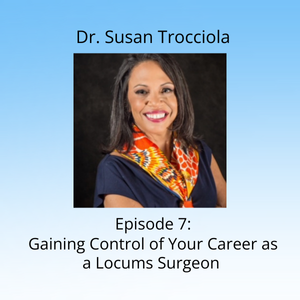
Episode 7: Gaining Control of Your Career as a Locums Surgeon with Dr. Susan Trocciola
This episode is for you if you are in the following positions:
- You had a supportive residency, but your first jobs...not so much
- You want to know red flags to look for when you are searching for a job
- You are finding yourself the first assist to a partner, not the attending in charge of the case
- You wanted a mentor, but you are finding that you are not the chosen successor
- You want more time off and more autonomy
- You are curious about locums as a career
Dr. Susan Trocciola is a cardiothoracic surgery who has taken her career into her own hands after some rough first jobs.
She has critical lessons for all of us about not accepting anything but what we know is true for us.
Find more information about BOSS at www.BOSSsurgery.com
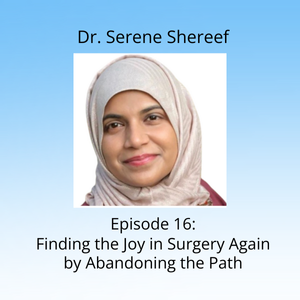
Boss Business of Surgery Series – Episode 16
Finding the Joy in Surgery Again by Abandoning the Path
with Serene Shereef, MD
In this episode of the Boss Business of Surgery Series, Dr. Amy Vertrees speaks with Dr. Serene Shereef, surgeon and physician leader, about what happens when the path you were taught to follow leads you away from joy — and how stepping off that path can be the very thing that brings meaning back.
Dr. Shereef shares her journey of questioning traditional expectations, confronting burnout and misalignment, and ultimately choosing to practice surgery in a way that better fit her values, strengths, and life. Together, they explore how rigid career paths in medicine often leave little room for individuality — and why abandoning “the right path” can be an act of clarity, courage, and self-respect.
This episode is about redefining success, trusting yourself, and rediscovering joy by choosing alignment over approval.
In this episode, you’ll learn:
-
Why following the prescribed path can quietly drain joy
-
How burnout often signals misalignment rather than failure
-
Why questioning the system can feel both scary and liberating
-
How identity becomes tied to expectations instead of values
-
Why abandoning the path doesn’t mean abandoning medicine
-
How guilt shows up when physicians choose differently
-
Why joy is a legitimate metric for career decisions
-
How curiosity opens new professional possibilities
-
Why fulfillment often requires letting go of external validation
-
How redefining success restores energy and purpose
-
Why there is no single “right” way to practice surgery
-
How flexibility protects long-term sustainability
-
Why listening to yourself matters more than following rules
-
How courage builds through small, aligned decisions
-
Why joy returns when integrity leads
-
How self-trust replaces certainty
-
Why choosing alignment protects against burnout
-
How abandoning the path can actually bring you home to yourself
Key themes:
-
The traditional path isn’t neutral — it shapes well-being
-
Burnout is information, not weakness
-
Joy matters
-
Identity is allowed to evolve
-
Alignment restores energy
-
Permission must be self-granted
-
There is more than one way to be a surgeon
-
Choosing yourself is an act of leadership
Resources & mentions:
-
Boss Business of Surgery Series: https://bosssurgery.com
-
Become the Boss MD
-
Resources on physician career alignment and sustainability
This episode is essential listening for surgeons who feel disconnected from work they once loved, or who quietly wonder whether another way of practicing might exist. Dr. Shereef’s story offers reassurance and permission: you don’t have to stay on a path that costs you your joy — abandoning it may be how you find your way back.
Episode 38: Creating a Schedule That Works and Taking a Year Off with Dr. Beth Johnston
Hello Surgeons!
Do you feel trapped in your job?
Have you thought that it would be possible to determine your schedule- and maybe take a year off?
The latest BOSS podcast episode features Dr. Beth Johnston. She is a general surgeon, and she and her husband, a cardiologist, have done just that.
She created a schedule that worked for her and allowed her to be flexible. She and her husband then found a way to take a year to travel and made their jobs work for them.
She valued time off, and she found a way to make it happen. It's a truly inspiring story. It starts with valuing your time, realizing what is important to you, and finding a way to make it happen.
Your job may be more flexible that you think.

Episode 40: Surgery Training and Practice are More Flexible Than You Think with Dr. Feibi Zheng
Dr. Zheng chose to take a non-traditional path in training after a patient had a bad outcome due to what she thought was a failure of the hospital system. She went to Duke during research/personal development time and got her MBA with a focus on health sector management for 2 years. And that was just the beginning. She created a start-up business on gaming for skills acquisition and knowledge transfer. She returned to complete her residency, but continued her nontraditional path, working part time as an endocrine surgeon and as Medical Director at Intuitive Surgical. She credits strong mentorship and knowing her value for her success in achieving the career that she wanted. She decided that her career can work around her needs, not the other way around.
Episode 22: Lessons Everyone Should Hear on CVs with Dr. Emily Steinhagen
This week's episode is such a great one- and one that we ALL need. That is, unless your CV is up to date and awesome- and if that is the case, send it to me! I would love to see your example!
Dr. Emily Steinhagen and I talked about tips for creating a fantastic CV and keeping it updated. There are 5 key strategies:
1. Know what to put on your CV- and don't undervalue your experiences. Keep a master CV with everything on it, and tailor it down from there. Consider all experiences, because skills you develop may be relevant to a future job. Your CV is not just a document, it is a file that includes the supporting documents like papers and letters of recommendations.
2. Use your CV to further your career. You can use it to identify gaps you might have in your career, and the CV can also work as a way to communicate your skills.
3. Attention to detail! Declare a personal font, be consistent with your abbreviations. Your CV says something about you, and a sloppy CV is not the message you want to send. Add your name and date of the CV to every page. Send only pdfs of your CV so they cannot be modified.
4. Tailor it to your job. When applying for a job, see if your institution has a specific format. If not, the AAMC has an example here.
5. Maintain your CV. Create a system to maintain your CV using your calendar, email or scheduled alerts. Use tools like Publon.com to track your reviews of research papers.
Please rate and review the show!
Episode 166
The episode featured Dr. Erin Stevens, a gynecologist oncologist at Prevea Health, discussing her experiences with medical mission trips to Bolivia through Solidarity Bridge since 2019. Dr. Stevens shared how she began these missions through a former surgery partner's invitation, initially working in Santa Cruz and later in Sucre. She detailed the significant differences between US and Bolivian healthcare systems, particularly in equipment usage and resource conservation. Dr. Stevens emphasized how Bolivian medical staff meticulously maintain and reuse equipment that would be discarded in the US. She highlighted the critical issue of cervical cancer in Bolivia, where screening rates are below 20% and treatment options are limited. The discussion also covered the evolution of her teaching approach, focusing on building sustainable surgical skills among Bolivian doctors and the importance of cultural understanding in medical missions.
Chapters
Introduction to Medical Mission Work in Bolivia
Dr. Stevens described her background as a gynecologist with 11-12 years of experience in rural medicine, practicing in Montana and Wisconsin. She began mission trips to Bolivia with Solidarity Bridge in 2019, initially working in Santa Cruz and later in Sucre.
Impact of COVID-19 on Mission Work
Dr. Stevens discussed how the 2020 mission was cancelled due to the pandemic. She explained the lasting effects on Bolivia's healthcare system, including continued universal masking and delayed vaccine distribution. The pandemic significantly impacted cancer screening rates, which dropped to zero during 2020-2022.
Equipment and Resource Management in Bolivian Healthcare
Dr. Stevens detailed how Bolivian healthcare providers maximize resource utilization, including meticulous cleaning and reuse of surgical equipment. She highlighted the stark contrast with US practices regarding medical waste and equipment disposal.
Teaching and Cultural Exchange
Dr. Stevens emphasized the importance of working in solidarity with Bolivian medical professionals, focusing on teaching surgical skills while learning from their practices and culture. She described the progress made in teaching laparoscopic procedures and the relationship built with local medical staff.
Action Items
- Stevens mentioned the need to continue providing essential surgical equipment to Bolivian hospitals
- Stevens highlighted the importance of establishing sustainable training programs for laparoscopic surgery
- Stevens emphasized the need to address cervical cancer prevention through increased screening and vaccination programs
- Stevens suggested exploring ways to improve medical supply conservation and reuse practices
What is the real cost of hospital employment for surgeons—and is it as “safe” as it seems?
In this episode of the Boss Business of Surgery Series, Dr. Amy Vertrens sits down with plastic surgeon Dr. Mark Shashikant to explore his journey from military medicine at Walter Reed to civilian practice, and ultimately toward greater autonomy and entrepreneurial thinking.
Dr. Shashikant shares a candid look at the transition out of the military, including the dramatic increase in compensation—and how high salaries and signing bonuses can create “golden handcuffs” that keep physicians stuck in misaligned roles. He also breaks down the realities of hospital-employed practice, from intense trauma call schedules to the hidden expectations of unpaid administrative work.
This conversation dives deep into the business of medicine, including how surgeons generate far more value than they are often credited for—especially through downstream revenue that hospitals rarely acknowledge.
The COVID-19 pandemic became a pivotal moment, exposing the imbalance in employed physician contracts and challenging the assumption that hospitals carry all the risk. From there, Dr. Shashikant began rethinking everything—from compensation models to long-term career strategy.
You’ll also hear how his practice evolved toward cosmetic surgery, why reimbursement changes are reshaping the future of surgical specialties, and what physicians should consider if they’re thinking about private practice or ownership.
In this episode, we cover:
- Military to civilian transition for physicians
- Hospital-employed surgeon realities and burnout
- The “golden handcuffs” of physician compensation
- Understanding downstream revenue and true value
- Contract negotiation strategies for doctors
- Non-competes, productivity models, and leverage
- Cosmetic vs. reconstructive surgery economics
- Why no job in medicine is truly “safe”
- Physician entrepreneurship and practice ownership
If you’re a surgeon or physician navigating early or mid-career decisions, this episode will give you a clearer understanding of your value—and how to take control of your career.
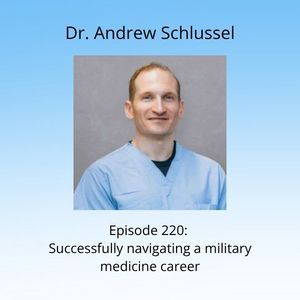
Navigating a Successful Military Surgical Career
With Dr. Andrew Schlussel
In this episode of the BOSS Business of Surgery Series, Dr. Amy Vertrees interviews Andrew Schlussel, colorectal surgeon, Army veteran, and co-editor of The SAGES Manual for Navigating a Successful Military Surgical Career.
Dr.Schlussel shares insights from his 15 years on active duty in the U.S. Army, his transition to the reserves, and his experience building a fulfilling and dynamic military surgical career. This conversation is both practical and deeply personal — covering everything from surgical volume and research opportunities to LGBTQ+ service and retirement planning.
🔎 In This Episode, We Discuss:
🇺🇸 Building a Military Surgical Career
-
ROTC beginnings and returning to medicine through HPSP
-
Training at Tripler Army Medical Center
-
Deployments to Afghanistan, time in Iraq and Syria
-
Serving in Korea, Fort Lewis, and Fort Eisenhower
-
Transitioning from active duty to the reserves
Dr.Schlussel shares how military training provided not just clinical skills, but leadership experience in quality improvement, root cause analysis, and systems-based practice.
📘 Why This Book Was Needed
The idea for The SAGES Manual came after Dr.Schlussel found his Army Officer’s Guide while cleaning out his closet after leaving active duty. He realized:
Military medicine needed its own playbook.
The book was intentionally developed as a tri-service resource — benefiting Army, Navy, and Air Force surgeons alike — and was created collaboratively with leaders involved in Society of American Gastrointestinal and Endoscopic Surgeons (SAGES) military initiatives.
⚙️ The Truth About Surgical Volume in the Military
A common concern: lower surgical volume.
Dr.Schlussel reframes this as opportunity:
-
Time for research
-
NIH collaboration
-
Global health engagement (including the Wilkins Fellowship)
-
Creative academic and leadership projects
-
Quality improvement and systems innovation
His key message:
Persistence is everything in the military system.
You may hear “no” repeatedly — but success often comes to those who continue asking the right questions.
💼 Employment Flexibility: ODEs, URSAs, and MTAs
Military surgical careers have evolved. Dr.Schlussel explains:
-
Off-Duty Employment (ODE)
-
URSAs (utilizing civilian colonoscopy suites)
-
MTAs (taking acute care call at civilian hospitals)
These opportunities are significantly more available than they were 10–15 years ago — but require understanding military legal frameworks and approval processes.
Current reserve bonuses for surgeons:
💰 $75,000 per year with a two-year minimum commitment
🌈 LGBTQ+ Service in the Military
One of the most powerful parts of this episode is Dr.Schlussel's personal experience serving under “Don’t Ask, Don’t Tell.”
-
ROTC contracts in 2000–2001 included clauses prohibiting identifying as homosexual.
-
He served closeted for years.
-
Following repeal, he observed gaps in military physicians’ understanding of LGBTQ+ healthcare — including knowledge of PrEP and inclusive care practices.
As former president of the Association of Gay and Lesbian Surgeons and Allies, he emphasizes:
Inclusive environments require both cultural awareness and clinical competence.
📝 Preparing for Retirement or Separation
Dr.Schlussel strongly recommends:
-
Start preparing one year earlier than required
-
Carefully review your DD-214
-
Utilize Veteran Service Organizations (VSOs)
-
Take advantage of transition programs (college courses, certifications, Lean Sigma training)
Once the DD-214 is signed, changes are extremely difficult.
🏥 Working at the VA
Dr. Schlussel discusses his experience serving at the VA — both as a volunteer and paid staff.
He explains:
-
Differences between DOD and VA funding models
-
Communication challenges between systems
-
The deep fulfillment of caring for veterans
He also highlights:
-
Priority hiring for veterans
-
Ability to “buy back” military time toward federal retirement
-
TSP rollover benefits
📍 Finding His Current Role
After relocating to Jacksonville for his husband’s practice, Dr. Schlussel contacted every colorectal surgeon in the area — demonstrating the same persistence he advocates.
He now:
-
Works in Jacksonville
-
Continues reserve service
-
Plans to coach and mentor military surgeons
📚 Resources & Links
-
The SAGES Manual for Navigating a Successful Military Surgical Career (Springer, 20% discount available; proceeds support SAGES)
-
Connect with Dr.Schlussel on Instagram: @rainbow_scalpel
-
Email: [email protected]
-
Attend the annual Society of American Gastrointestinal and Endoscopic Surgeons (SAGES) meeting
-
Free for active duty personnel
-
Reduced membership ($60–100 for attendings, free for residents)
-
💡 Key Takeaways
✔ Military surgical careers offer leadership development far beyond the operating room
✔ Lower volume can create space for innovation and research
✔ Persistence within the military system is critical
✔ Separation planning must begin early
✔ LGBTQ+ inclusion requires both policy change and medical education
✔ Military surgeons develop unique leadership and systems-thinking skills that translate powerfully into civilian careers
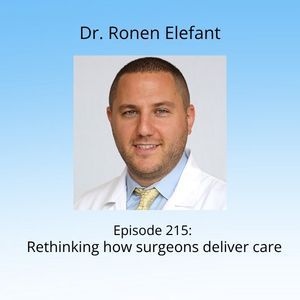
In this episode of the BOSS Business of Surgery Series, I sit down with Dr. Ronan Elefant, trauma surgeon, entrepreneur, and pilot, to explore a radically different way of delivering surgical care.
Dr. Elefant shares how his background in biomedical engineering shaped his view of surgery, why he believes healthcare insurance should be reserved for catastrophic events, and how transparent, bundled cash pricing can lower costs while paying surgeons more. We discuss his company, ACES National Surgical Team, which leverages underutilized ambulatory surgery centers (ASCs) nationwide—without building hospitals.
We also dive into how aviation allows him to scale surgical access across multiple states, manage complications safely, and maintain quality of life—plus how mid-career surgeons can shift from achievement to mentorship without burning out.
Keywords: surgery entrepreneurship, healthcare economics, cash-pay surgery, ambulatory surgery centers, surgeon business models, physician leadership, nontraditional surgical practice
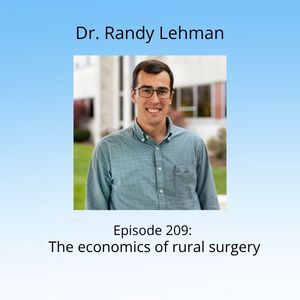
The Real Economics of Rural Surgery with Dr. Randy Lehman
In this episode of the BOSS Business of Surgery Series, host Dr. Amy Vertrees sits down with rural surgeon Dr. Randy Lehman for a wide-ranging conversation about rural surgery, financial freedom, and the future of surgical practice. Dr. Lehman shares his unconventional journey, from growing up on a farm in northwest Indiana to becoming a national advocate for rural surgery—complete with a helicopter commute between hospitals.
Together, they explore what makes rural surgery uniquely fulfilling, why independent practices struggle in today’s healthcare economy, and how financial independence can transform a surgeon’s career options and impact.
What You’ll Learn in This Episode
Dr. Lehman’s Path to Rural Surgery
Growing up on a farm, switching from pre-pharmacy to pre-med, and discovering a passion for rural surgery at Purdue and UC Medical School. He describes the unexpected doors that opened and closed along the way, eventually leading him to Mayo Clinic’s rural surgery track and a broad, high-volume surgical experience.
What Rural Surgeons Really Do
Rural surgery offers a broad scope of practice and the ability to care for patients of all ages—often with higher compensation for lower-acuity operations. Dr. Lehman shares examples from his own practice, which spans carpal tunnels to hysterectomies to skin cancer flaps, as well as why he avoids highly complex cases that require tertiary-care resources.
Training That Prepares You for Everything
He explains the difference between simply rotating through a rural hospital and completing true rural surgery training, which requires high volume across multiple specialties. His own training included over 1,600 cases—far above the national average.
The Hard Truth About Practice Models
Dr. Lehman opens up about the highs and lows of his post-residency years, including:
-
Pursuing a job at his hometown hospital after it was sold
-
Building a dual-location practice between two small hospitals
-
Attempting an independent practice with $600k annual overhead and only $350k collection
-
Writing $20–30k checks every few weeks just to keep the doors open
The takeaway: in today’s economic environment, hospitals subsidize surgeons because they recoup facility fees—while most independent practices cannot survive on professional fees alone.
Understanding the Economics: RVUs, Overhead, and Reality
He breaks down why his independent practice collected only $57 per RVU versus over $100 per RVU when employed—and what that means for surgeons who dream of autonomy. Dr. Lehman and Dr. Bertrand discuss the impact of decreasing reimbursement, increasing overhead, and the future risk of efficiency adjustments and bundled CPT payments.
Financial Freedom as a Career Strategy
Dr. Lehman's philosophy is simple and powerful: live on very little early in your career, invest wisely, and achieve financial independence fast.
He shares:
-
How buying an $86,000 home allowed him to reach financial freedom within two years
-
Why minimalism amplifies your negotiating power
-
The role of real estate in accelerating independence
-
How financial freedom allows him to give away hundreds of thousands of dollars each year
-
Why money magnifies your character—good or bad
Building “The Rural American Surgeon” Podcast
Despite costing nearly $50,000 per year to produce, his podcast is a passion project aligned with his goal of becoming a national rural surgery leader. He shares why telling these stories matters for rural hospitals, local economies, and the future surgical workforce.
Entrepreneurial Thinking in Medicine
Dr. Vertrees and Dr. Lehman close with a powerful discussion on why physicians must think like entrepreneurs—not simply RVU generators. They explore how surgeons can reclaim autonomy, redefine their value, and build careers with freedom, flexibility, and mission at the center.
Chapters
-
00:00:00 – Dr. Randy Lehman’s Background and Journey
-
00:03:47 – The Scope and Benefits of Rural Surgery
-
00:06:00 – Rural Surgery Training and Case Volume
-
00:13:18 – Practice Models After Residency: Wins and Struggles
-
00:20:04 – The Real Economics of Surgical Practice
-
00:29:56 – Financial Philosophy & Becoming Independent Early
-
00:42:07 – Creating The Rural American Surgeon Podcast
-
00:47:56 – Entrepreneurial Mindset and Physician Autonomy
Action Items & Takeaways
-
Seek a true rural surgery training track, not just rural exposure.
-
Prioritize high-volume operative experience during residency.
-
Buy a modest first home to accelerate financial independence.
-
Practice generosity early, regardless of income.
-
Explore rural surgery as a deeply rewarding and high-impact career path.
-
Connect with Dr. Lehman at ruralamericansurgeon.com for more resources.
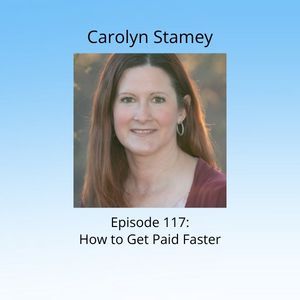
Getting paid is all about mastering the revenue cycle. Specialist Carolyn Stamey makes sure you’re getting that final payment. She shares how focusing on the patient and doctor experience, enhanced patient satisfaction, and more precise billing will increase reimbursement for the work you do.
“It's so important to have a copy of that insurance contract and really understand it because you can make the insurance company a partner in many ways. You leveraging that provider rep is so important, but having a copy of that contract and understanding it is really critical.” -Carolyn Stamey
Key takeaways:
- Unlock the secrets to maximizing revenue and streamlining your billing processes.
- Discover the key to avoiding claim denials and ensuring prompt reimbursement for your services.
- Learn how to navigate the complexities of dealing with insurance companies to optimize your revenue cycle.
- Uncover the crucial role of accurate coding and documentation in ensuring maximum payment accuracy and compliance.
- Gain insights into simplifying the complexities of medical billing to enhance your practice's financial performance.
About Carolyn
Carolyn Stamey is a revenue cycle professional who helps physicians achieve financial success through revenue cycle excellence. She is currently the President & CEO of Contemporary Medical Solutions.
Before starting Contemporary Medical Solutions, Carolyn worked for 30 years leading large revenue cycle teams. After a successful career supporting both small physician practices and large multi-specialty groups associated with a hospital, she now helps physicians maintain their independent practice by ensuring accurate and timely medical billing, up to date insurance contracts and credentialing with payers.
Carolyn is based in the Phoenix area with her husband and daughter. She enjoys camping and sewing in her spare time.
Carolyn is available to support your revenue cycle needs and offers free consultations. You can reach Carolyn at 717.557.5257 or [email protected].
Find out more here:
- Website: www.ContemporaryMedicalSolutions.com
- Facebook: https://www.facebook.com/profile.php?id=100094615897338
- LinkedIn: linkedin.com/company/96291853
- Business email: [email protected]
- Business phone: 602.834.4628
The key moments in this episode are:
00:00:00 - Understanding the Revenue Cycle
00:02:15 - Impact of Large Organizations
00:05:53 - Patient-Provider Relationship
00:09:46 - Responsibility in Billing
00:12:55 - Pitfalls and Contract Awareness
00:14:12 - Timely Filing Limits and Payment Delays
00:15:34 - Interacting with Insurance Companies
00:16:50 - Understanding Insurance Company Requests
00:19:29 - Impact of Insurance Contracting and Credentialing
00:24:21 - The Significance of Payer Enrollment
00:27:50 - Navigating Insurance Company Relationships
00:29:31 - When to Seek Help
00:31:00 - Shifting Perspectives on Interactions
00:33:43 - Key Learnings in Revenue Cycle Management
00:37:33 - Future Resources for Providers and Patients
In this interview, Dr. Susan Trocciola, a cardiothoracic surgeon, discussed her experiences with locum tenens work and expert witness consulting. Dr. Trocciola shared her journey from traditional employment to locums after facing challenges in finding the right job fit and dealing with personal health issues. She emphasized how locums work has allowed her to achieve better work-life balance, earning twice as much while working half as much compared to her previous full-time job. Dr. Trocciola detailed her approach to determining value in locums work, recommending rates starting at $2,500 per day, and discussed the importance of establishing boundaries with locums companies. She also shared insights about her expert witness work, explaining how it has made her a better doctor through improved documentation practices. The discussion highlighted the benefits of locums work in providing flexibility, better patient care options, and opportunities for professional growth.
Chapters
Introduction and Background of Dr. Susan Trocciola
Dr. Trocciola introduced herself as a cardiothoracic surgeon trained at prestigious programs including Cornell, NYU, and Texas Heart. She shared her journey through traditional employment challenges, personal health issues, and eventual transition to locums work.
Benefits of Locums Work
Dr. Trocciola discussed how locums work has transformed her approach to medicine, allowing her to focus on patient care rather than RVUs. She shared an example of prioritizing patient care over personal convenience in a recent case.
Determining Value in Locums Work
Dr. Trocciola explained her approach to establishing value in locums work, recommending working with multiple companies to understand market rates and emphasizing the importance of negotiating fair compensation.
Navigating Locums Assignments
Dr. Trocciola shared insights about identifying good locums companies, establishing boundaries, and recognizing when to leave assignments that aren't a good fit.
Expert Witness Work
Dr. Trocciola discussed her journey into expert witness work, how it has improved her practice, and the importance of honesty and thorough documentation in both expert witness cases and clinical practice.
Future Plans and Work-Life Balance
Dr. Trocciola expressed her desire to reduce clinical work and increase expert witness work, emphasizing the importance of maintaining work-life balance and having time for personal activities.
Action Items
Dr. Trocciola recommends starting locums assignments with shorter commitments to allow for better evaluation and negotiation opportunities
Dr. Trocciola advises establishing a minimum daily rate of at least $2,500 for locums work
Dr. Trocciola suggests working with multiple locums companies to understand market rates and negotiate better contracts
Dr. Trocciola emphasizes the importance of thorough documentation in both clinical practice and expert witness work
Dr. Amy hosts a discussion with Dr. Cate Straub about community and rural surgery. Dr. Straub shares her journey from being an East Coast city girl to practicing in rural North Central Washington, specifically in Wenatchee.
Dr. Straub describes her experience establishing a pancreatic surgery practice in a rural setting. She explains how she built the practice by working with interventional gastroenterologists, creating protocols, and marketing her services throughout the region. She emphasizes the importance of mentorship and maintaining relationships with larger medical centers.
The discussion explores the benefits and challenges of community surgery. Dr. Straub highlights how rural surgeons can shape their practice based on community needs while maintaining work-life balance. She discusses the importance of building trust within the community and establishing relationships with tertiary centers.
Dr. Straub shares her involvement in advocacy work, particularly through the American College of Surgeons (ACS). She emphasizes the importance of understanding hospital operations and government processes to effectively advocate for healthcare needs. She discusses her transition to a surgical hospitalist role while maintaining her pancreatic practice.
The conversation concludes with a discussion about the future of community surgery and the importance of training programs. Dr. Straub highlights the expansion of rural surgery tracks in residency programs and the need for debt relief programs to encourage surgeons to practice in rural areas.
Chapters
Introduction and Background00:00:00
Dr. Amy introduces Dr. Cate Straub, whom she met at an ACS conference. Dr. Straub describes her journey from the East Coast to practicing in Wenatchee, Washington, a semi-rural center far from tertiary facilities.
Building a Rural Pancreatic Surgery Practice00:02:43
Dr. Straub details how she established a pancreatic surgery practice by collaborating with interventional gastroenterologists, creating protocols, and marketing her services throughout the region up to the Canadian border.
Community Surgery Benefits and Challenges00:06:11
Discussion of rural patient demographics, their reluctance to travel, and the importance of maintaining relationships with tertiary centers. Dr. Straub emphasizes the need to put ego aside and focus on patient needs.
Mid-Career Evolution and Mentorship00:29:59
Dr. Straub discusses the transition in finding satisfaction from achievement to purpose, emphasizing the importance of teaching and mentoring others in the medical community.
Advocacy and Leadership00:34:03
Dr. Straub shares her involvement in advocacy work through ACS, emphasizing the importance of understanding both hospital operations and government processes.
Action Items
Dr. Straub established collaboration with interventional gastroenterologists to support pancreatic surgery program00:03:59
Dr. Straub created protocols for benign pancreas program surveillance00:04:13
Dr. Straub developed marketing strategy by visiting healthcare facilities between Wenatchee and Canadian border00:04:39
Dr. Straub established mentorship relationship with Dr. Adnan Al-Sayedi at Virginia Mason00:05:02
Dr. Straub helped establish peer counseling process in the operating room00:28:07
Dr. Straub plans to transition some administrative roles while maintaining focus on acute care surgery

Meet Your Host
Amy Vertrees, MD is a board-certified general surgeon, certified coach, and the founder and host of the BOSS Business of Surgery Series podcast — a show dedicated to helping surgeons build confidence, clarity, and control in their careers by mastering the skills residency never taught them. After completing surgical training and serving in the military, Amy realized that clinical excellence alone wasn’t enough to navigate the complexities of contracts, practice dynamics, negotiation, and career growth. What started as her personal journey to learn “what’s next” transformed into a mission to empower fellow surgeons with the tools to thrive both professionally and personally. .
Learn More >