Welcome to the
The BOSS Business of Surgery Series Podcast
With Amy Vertrees, MD
Career Challenges

Boss Business of Surgery Series – Episode 68
When the Job Is the Problem: Under-Engagement, Career Fit, and Finding the Right Surgical Partner with Dr. Sara Rasmussen
In this episode of the Boss Business of Surgery Series, Dr. Amy Vertrees sits down with Dr. Sara Rasmussen, pediatric transplant surgeon, to unpack a rarely discussed but critically important career truth: sometimes it’s not burnout or overwork—it’s the wrong job.
Dr. Rasmussen shares her extraordinary career journey through academic surgery, pediatric liver transplant, and multiple institutions, including the experience of building programs, navigating leadership changes, and ultimately recognizing when a position no longer aligned with her professional identity, health, or values.
Drawing on a 2022 study by Delmont et al. (Surgery, University of Cincinnati), this conversation explores the finding that nearly 25% of early-career transplant surgeons leave the field within three years—not from overwork, but from under-engagement. Dr. Rasmussen’s story brings that data to life with clarity, honesty, and hope.
This episode is about career fit, agency, partnership, and the courage to leave when growth is blocked.
In this episode, you’ll learn:
-
Why under-engagement—not workload—drives early attrition in transplant surgery
-
How leadership changes can quietly derail a previously fulfilling career
-
The danger of “mind-reading” your role instead of asking explicit questions
-
Why asking detailed questions before accepting a job is essential
-
How micromanagement erodes confidence—even in highly experienced surgeons
-
Why data doesn’t always change institutional behavior
-
How professional misalignment can manifest as panic attacks, hypertension, and physical symptoms
-
The difference between hierarchical environments and true team-based care
-
Why staying and “trying harder” is not always the right answer
-
How coaching helped clarify what was actually non-negotiable
-
The moment when health becomes the deciding factor
-
How children often understand more than we expect during major life transitions
-
Why modeling self-respect is one of the greatest lessons parents can teach
-
What true surgical partnership looks like during complications
-
How the right partner supports growth without judgment
-
Why strength and thoughtfulness can be assets—or liabilities—depending on environment
Key themes:
-
Under-engagement as a career risk
-
Job fit vs. self-blame
-
The cost of staying in misaligned systems
-
Leadership and psychological safety
-
Health as a career signal
-
Modeling boundaries for children
-
The power of shared vision
-
Surgical partnership rooted in trust
-
Growth through supportive challenge
Resources & mentions:
-
Delmont et al., Surgery (2022): Early-career transplant surgeon attrition
-
Boss Business of Surgery Series: https://bosssurgery.com
-
Become the Boss MD

Boss Business of Surgery Series – Episode 86
When It’s Not You: Toxic Jobs, Career Red Flags, and Designing Your Own Path with Dr. Claire Isbell
In this episode of the Boss Business of Surgery Series, Dr. Amy Vertrees speaks with Dr. Claire Isbell, trauma and critical care surgeon, about what happens when you do everything “right” — train hard, get the job, show up prepared — and still find yourself in one toxic work environment after another.
Dr. Isbell shares her candid journey through multiple difficult jobs, including working in the same practice as her surgeon spouse, navigating leadership turnover, maternity leave bias, COVID-era instability, and the emotional toll of being made to feel like you are the problem. This is a raw, validating conversation for physicians who quietly wonder, “Is it me… or is this job just wrong?”
In this episode, you’ll learn:
-
Why the belief that “training guarantees stability” is one of medicine’s biggest myths
-
The unique challenges of working in the same practice as your spouse
-
How leadership turnover and staffing instability quietly erode morale
-
What maternity leave bias can look like in surgical practice
-
How unconscious and overt bias show up around pregnancy and parenthood
-
Why being removed from leadership roles after leave is a major red flag
-
How silence, whispers, and lack of transparency damage trust
-
Why isolation after a partner leaves a practice can become unbearable
-
How dread, anxiety, and emotional withdrawal signal misalignment
-
Why leaving without another job lined up can still be the healthiest choice
-
How toxic environments make surgeons question their competence
-
Why multiple bad jobs do not mean you are the problem
-
The subtle red flags of a dysfunctional practice: body language, turnover, culture
-
How unmanaged leadership mindsets affect entire teams
-
Why good performance does not protect you in unhealthy systems
-
How redefining success allowed Dr. Isbell to rebuild her career intentionally
-
Why designing your career around your life — not the reverse — is possible
Key themes:
-
“It’s not you” is sometimes the truest diagnosis
-
Toxic jobs create self-doubt, not clarity
-
Environment matters as much as skill
-
Maternity leave is not a vacation
-
Career identity can be rebuilt
-
Leaving is sometimes an act of strength
-
You are allowed to outgrow roles
-
Surgeons can design non-linear, sustainable careers
Resources mentioned:
-
Feeling Safe at Work: Five Things You Could Do Right Now to Have a Better Life at Work
-
Become the Boss MD
-
Boss Business of Surgery Series: https://bosssurgery.com

Boss Business of Surgery Series – Episode 83 (Part 2)
Leaving a Toxic Job, Protecting Yourself, and Rebuilding Your Village with Dr. Jennifer Whittington
In Part 2 of this powerful conversation, Dr. Amy Vertrees continues her discussion with Dr. Jennifer Whittington, surgical oncologist in New York City, focusing on what happens after you recognize a job is toxic—and how to leave safely, ethically, and intact.
This episode moves beyond awareness and into strategy: how to protect your career, your patients, and your mental health when resignation may trigger retaliation, and how rebuilding your professional and personal village is not only possible—but transformative.
Dr. Whittington shares concrete, hard-earned lessons about contracts, job transitions, allyship, debt, grief, and rebuilding a life that no longer fits the “Hallmark” version of success—but is deeply aligned and sustainable.
In this episode, you’ll learn:
-
Why not hiring a contract lawyer can be one of the most expensive mistakes early-career surgeons make
-
What questions must be clarified in writing before accepting a job (call, reimbursement, block time, expectations)
-
Why being discouraged from speaking to the prior surgeon is a major red flag
-
How respect—or lack of it—is often the earliest signal of a toxic environment
-
Why ethics and standard of care matter as much as workload
-
How to safely prepare for resignation when retaliation is a concern
-
What documents and credentials must be secured before leaving a hostile job
-
Why emotional restraint (“the consummate professional”) can be a career-saving skill
-
How allies across roles—nurses, PAs, surgeons, staff—can quietly protect you
-
Why shame thrives in isolation—and dissolves in community
-
How leaving the wrong job can restore confidence, clarity, and momentum
-
Why career “non-linearity” on a CV does not equal failure
-
How trauma, critical care work, and unorthodox paths can strengthen surgical skill
-
Why becoming debt-free was both a financial and emotional turning point
-
How rebuilding a village—professionally and personally—creates resilience
-
Why supporting trainees and advocating for childcare equity is a leadership issue
Key themes:
-
Contracts are protection, not formalities
-
Respect is non-negotiable
-
Ethics and integrity are career anchors
-
Preparation prevents retaliation
-
Allyship exists at every level
-
Shame diminishes when stories are shared
-
Debt is a hidden stressor in physician vulnerability
-
Villages can be rebuilt
-
Success does not have to look traditional
-
Advocacy often grows from lived experience
Resources & mentions:
-
Boss Business of Surgery Series: https://bosssurgery.com
-
Become the Boss MD
-
Advocacy for subsidized childcare for surgical trainees
This episode is essential listening for surgeons considering leaving a difficult job—or quietly enduring one out of fear. Dr. Whittington’s story reinforces a critical truth: when a village falls apart, it can be rebuilt—and sometimes stronger, wiser, and more aligned than before.

Episode 90: When you get suddenly laid off with Dr. Audrey Bauer
What would you do if you suddenly found yourself without a job?
The latest BOSS podcast features Audrey Bauer, MD. She is a bariatric surgeon who was suddenly laid off.
She discovered just how many challenges she would face when she realized she was not as financially secure as she thought... and what was worse, being a specialized surgeon actually hurt her chances of getting another job. Locums has some pitfalls, too.
We talked about the lessons she learned in her path from being laid off, and her future is bright on a path she didn't expect. Her lifestyle now may make you envious!

Episode 93: We always have a choice with Dr. Sharon Stein
One of the biggest preventable challenges we face is telling ourselves we don’t have choices,
but the fact is we always do.
In the latest BOSS podcast, I talk with fellow surgeon coach Dr. Sharon Stein about the choices we have in life and in our jobs.
We talked what gets in the way of making decisions.
How we get in our own way.
The "right" path for us is waiting, and at every point there is a decision tree.
(You will also hear why my OR folks never let me get something from my car- LOL)
My guest is Sharon L. Stein, MD, FACS, FASCRS, is a colorectal surgeon and Professor of Surgery at Case Western Reserve University (CWRU) School of Medicine. She is also a certified coach and founded her own coaching program, The Intentional Surgeon, and started The Surgeon’s Lounge, a group coaching program dedicated to strengthening physicians’ voices and improving the culture of medicine.@slsteinmd
www.linkedin.com/in/sharonsteinmd
www.facebook.com/sharon.stein.355
www.thesurgeonslounge.com

Boss Business of Surgery Series – Episode 96
When Work Goes Away: Identity, Panic, and the Freedom to Evolve with Dr. Mel Thacker
In this episode of the Boss Business of Surgery Series, Dr. Amy Vertrees speaks with Dr. Mel Thacker, ENT surgeon, lifestyle medicine physician, and surgeon coach, about what happens when work defines your identity—and then suddenly disappears.
Like many physicians, Dr. Thacker experienced a profound reckoning during the COVID-19 pandemic. When surgeries stopped and distractions vanished, she was forced to sit with long-buried emotions, unresolved stories, and the realization that her sense of worth had become dangerously entangled with achievement and productivity.
This conversation is a powerful exploration of identity, resilience, panic, mindset work, and the freedom that comes from learning how to manage your own brain.
In this episode, you’ll learn:
-
How growing up in instability shaped Dr. Thacker’s drive, perfectionism, and relationship with achievement
-
Why school became a source of safety, structure, and validation
-
How success can quietly become a substitute for self-worth
-
Why reaching professional goals doesn’t guarantee fulfillment
-
How the pandemic stripped away distraction and exposed unprocessed fear and shame
-
What panic attacks feel like—and how they can emerge when the nervous system is overwhelmed
-
Why insomnia, catastrophizing, and fear are signals—not failures
-
How separating facts from stories can interrupt spirals of anxiety
-
What a “thought diuresis” is—and how getting thoughts out of your head changes everything
-
Why resisting negative emotions makes them stronger
-
How learning to feel emotions all the way through restores control
-
The “buffalo vs. cow” analogy for facing mental storms
-
Why mindset work is a daily practice, not a one-time fix
-
How internal validation replaces external approval
-
Why success is better defined as the freedom to evolve, not a fixed endpoint
-
How goals matter less than the person you become while pursuing them
-
Why life is 50/50—and why accepting that creates peace
-
How rediscovering connection with patients restored joy in clinical work
-
Why coaching differs from advice-giving—and why it works
-
How physicians can become better “thought partners” for patients and themselves
Key themes:
-
Identity beyond medicine
-
Panic as a nervous system response, not weakness
-
Achievement vs. internal validation
-
Emotional avoidance vs. emotional ownership
-
Growth through mindset and self-reflection
-
Success as evolution, not arrival
-
Coaching as brain management
-
Reclaiming joy through authentic connection
Resources & mentions:
-
Dr. Mel Thacker Coaching: https://melthackercoaching.com
-
Instagram: @the_surgeon_coach
-
Lifestyle Medicine (six pillars framework)
-
The Happiness Advantage by Shawn Achor
-
The Obstacle Is the Way by Ryan Holiday
-
Boss Business of Surgery Series: https://bosssurgery.com
This episode is essential listening for surgeons who feel unmoored when work slows down, uneasy when achievement no longer soothes anxiety, or quietly afraid of what’s underneath the busyness. Dr. Thacker’s story offers reassurance and clarity: you are not broken—your brain is doing exactly what it was designed to do, and you can learn to lead it somewhere better.

Episode 103: When No One Has Your Back with Dr. Jennie Eckstrom
Are you tired of feeling unsupported and looking for a solution? Join me as I introduce Jennie Eckstrom, who will be sharing her expertise on overcoming feelings of being unsupported, so that you can achieve a sense of satisfaction and find the strength to navigate the challenges of your profession. Discover the path to fulfillment and resilience in your career, and unlock the keys to overcoming feelings of no one having your back.
In this episode, you will be able to:
- Discover the power of self-validation and self-care to enhance your well-being and fulfillment as a physician.
- Master the art of setting boundaries and acknowledging your limitations to maintain a healthy work-life balance and prevent burnout.
- Learn effective strategies to overcome feelings of being unsupported, allowing you to thrive in your private practice.
- Cultivate self-reflection and self-compassion as powerful tools for overcoming insecurities and building confidence in your career.
- Create a positive and supportive environment in your practice, fostering collaboration and camaraderie among your colleagues.
My special guest is Jennie Eckstrom.
Jennie is a real estate investor and Real Estate mentor for physicians. She is a graduate of the University of Washington School of Medicine. She is a Family Medicine physician with 17 years of clinical practice in Montana. Jennie is the Vice President of an independent multispecialty primary care clinic with 18 providers, 100+ staff members and 60,000 visits annually. The clinic provides primary care, urgent care, lab, imaging and endoscopy services as well as a Med Spa and laser clinic.
As the daughter of a contractor and real estate broker, Jennie grew up actively involved in new construction and renovations. She has been an active investor in commercial medical real estate. What started as an investment in her medical building has lead to the role of partner owner of 14 commercial doors in 3 communities. She is the managing representative of a partnership involved in the development of 22 acres of raw land in one of the largest growing micro-politan communities in the nation. She and her husband, Andrew, own short term vacation rentals in Maui and are invested in multiple syndications. She enjoys discussing all things real estate in a monthly investment group she leads with fellow physician investors.
The key moments in this episode are:
00:00:02 - Meeting People Online and Feeling Disconnected
00:01:19 - Seeking Validation and Feedback in Private Medicine
00:03:08 - The Story We Tell Ourselves About Not Having Support
00:06:09 - Expectations and Disappointment in Balancing Work and Family
00:09:21 - Setting Boundaries and Overcoming Shame
00:14:32 - Self-Acceptance and Being There for Others
00:15:15 - Dealing with Overwhelming Activation
00:16:46 - Addressing Internal Dialogue
00:18:28 - Observing Ourselves with Compassion
00:21:34 - Boosting Ourselves Up and Creating Boundaries
00:28:47 - The Importance of Self-Awareness and Compassion
00:30:19 - Navigating Growth with Compassion
00:31:48 - The Power of Sharing Stories
00:33:23 - Supporting Physicians in Private Practice

Episode 105: From Training to Retirement-Mastering Passion Throughout Your Surgical Career
If you're feeling a deep sense of frustration and burnout despite your dedication to surgical excellence, then you are not alone! Many surgeons are tirelessly striving for success, yet find themselves lacking passion and fulfillment in their careers. Despite the long hours, the countless surgeries, and the constant pursuit of perfection, they may still find themselves searching for a deeper sense of purpose.
In this episode, you will be able to:
-
Discover practical strategies to reignite your passion for surgery and find fulfillment in your career.
-
Overcome career progression challenges unique to surgeons and pave the way to success.
-
Explore the values and priorities that are essential for maintaining passion and satisfaction in your surgical career.
-
Navigate through the uncertainties and disruptions that can arise in surgical careers with confidence and resilience.
-
Gain insights and actionable steps to find fulfillment and maintain a sense of purpose in your surgical career.
Amy Vertrees, MD, FACS is a general surgeon, certified coach, and the founder of BOSS Business of Surgery Series. She is committed to helping surgeons learn lessons that were not taught in residency but necessary for a successful surgical career.
The key moments in this episode are:
00:00:03 - Introduction
00:00:34 - The Challenge in Medicine
00:02:00 - Remembering Why We Became Surgeons
00:03:05 - The Non-Linear Progression of Careers
00:07:34 - Mastery, Recognition, Values, and Priorities
00:11:08 - Uncertainties and Life Disruptions
00:15:25 - The Impact of a Stroke on Brain Function
00:16:30 - The Role of the Left Brain in Training
00:19:39 - Challenges in Mid Career
00:22:56 - Transitioning to a New Path
00:25:58 - Retirement and Its Challenges

Episode 106: Embracing the Neurodiverse Physician with Dr. Krystal Sodaitis
Have you been told to hide your neurodiversity to succeed as a physician? The ineffective action of masking your true self can lead to a painful sense of isolation and burnout, but there is a better way. Discover how embracing neurodiversity can enhance your medical career and unleash your potential through coaching tailored to neurodiverse individuals. It's time to overcome the challenges and leverage your unique strengths to thrive in the medical profession.
In this episode, you will be able to:
- Discover how embracing neurodiversity can enhance your medical career.
- Unleash your potential through coaching tailored to neurodiverse individuals.
- Overcome the challenges of masking and ADHD with effective strategies.
- Master the art of effective communication in the workplace to thrive in your medical profession.
- Find the support and resources you need to excel as a neurodiverse physician.
My special guest today is Dr. Krystal Sodaitis.
Dr. Krystal Sodaitis board-certified pediatrician, who transitioned from academic medicine to health plan leadership in 2013. Krystal has advanced certifications in physician coaching, leadership coaching, and deep dive coaching. Her coaching practice is focused on physicians who have a neurodevelopmental diagnosis such as ADHD, Autism or dyslexia.
Highly intelligent people are often identified as neurodiverse (formally or through self-discovery/diagnosis) well into adulthood. While the diagnosis may come with some understanding and validation, many still have questions. Unsure where to go with their newfound knowledge - that’s where she comes in. Krystal helps neurodiverse docs discover their “what now.” She addresses the guilt, shame, and limiting beliefs that come with a diagnosis of attention deficit hyperactivity disorder, learning disorder, autism spectrum disorder or any other disability. Our brains are amazing, and Krystal wants us all to embrace the different yet glorious ways our brains work. She helps people harness their gifts, not squelch them.
LinkedIn: www.linkedin.com/in/krystal-revai-sodaitis
Website: https://neurodiversedocs.com/
eBook: https://link.neurodiversedocs.com/top-5-tips
The key moments in this episode are:
00:00:00 - Introduction
00:01:07 - Dr. Sodaitis' Journey
00:03:10 - The Need for Coaching
00:07:54 - Identifying Neurodiversity
00:10:46 - Overcoming Challenges
00:17:32 - The Pressure to Mask in Autism
00:18:00 - Masking and Adjusting Communication
00:19:06 - Starting with Personal Goals
00:19:24 - Addressing Sensory Overload
00:21:32 - Balancing Authenticity and Comfort
00:22:57 - Understanding Differences with Compassion
00:33:19 - Expressing the Impact of Actions
00:33:45 - Reaching Out for Help
00:34:01 - Conclusion and Farewell

Episode 109: When Divorce Challenges Your Identity at Work with Dr. Paul Michaud
A high-flying surgeon confronts the crushing reality of divorce, as he strives to shatter the facade of perfection, repair broken relationships, and find redemption amidst the wreckage of his personal and professional life.
In this episode, you will be able to:
- Discover how to navigate the challenges of divorce with grace and resilience.
- Learn effective strategies to support your children during the divorce process.
- Find out how to take responsibility for your mistakes and grow from them.
- Explore the impact of divorce on your personal and professional life, and learn how to manage both with confidence.
- Gain insights into finding a balance between work and parenting while going through divorce.
My special guest today is Paul Michaud.
Paul is a father to 5 sons, Radiologist, Certified Physician Executive, and executive leadership coach. He served in the Army for over 13 years where he earned a reputation of creating exceptional work environments for his teammates and developing innovative leadership models for the organizations he has served.
Notable past leadership positions include Chair, Department of Radiology, Chief Medical Officer, and Consultant to the Army Surgeon General. Paul currently serves as Professor of Radiology at West Virginia University, where he is pursuing his passion for teaching and developing the next generation of leaders.
He is also an organizational leadership and executive coach with a particular interest in optimizing work environments and helping individuals navigate challenging life experiences such as trauma, divorce, and transitions in their career path.
Find out more about Paul here:
- http://linkedin.com/in/paul-michaud-755287271
- https://www.theinstituteofpurpose.com
The key moments in this episode are:
00:00:00 - The Perception of Perfection at Work
00:03:24 - Helping Others Going Through Divorce
00:06:57 - Acknowledging Imperfections
00:08:28 - The Long Process of Divorce
00:15:34 - Managing the Process on Your Own Terms
00:17:30 - Taking Responsibility and Apologizing
00:18:30 - Kids' Awareness and the Healing Process
00:20:22 - Recognizing When to Take a Break
00:23:10 - Responsibility vs. Blame
00:30:58 - Addressing the Abscess and Teaching Kids
00:32:15 - Allowing Kids to Make Mistakes
00:34:24 - Apologizing and Acknowledging Mistakes
00:36:38 - Finding Joy in Children's Success
00:40:21 - Identity Crisis and Overcoming Obstacles

Episode 114: Recognizing Gender Bias in Medicine with Dr. Maggie Brooke
Have you heard the myths that women exaggerate their pain, that men are better suited for leadership positions in healthcare, and that women are more emotional and therefore less capable in the medical field?
Our guest, Maggie Brooke, will share the truth about gender bias in the medical field and how we can work towards equality.
“Women physicians receive more complaints: Complaints from other staff, from patients, and more negative interpretations of typical interactions. It's a real challenge to combat.” - Dr. Maggie Brooke
Key Takeaways
- Gain insights into the hidden challenges affecting patient care.
- Discover strategies for breaking barriers and thriving in male-dominated surgical specialties.
- Uncover the impact of unrecognized labor and societal pressures on healthcare professionals.
- Learn how to advocate for change and promote equality within medical institutions.
- Find valuable tools and support networks to drive positive change in healthcare.
My special guest today is Maggie Brooke.
Magdalene (Maggie) Brooke, MD FACS is a full spectrum community and academic surgeon working in Denver, Colorado. Her primary interests are surgical education and providing excellent, up-to-date surgical care to vulnerable populations in the Denver safety net system. She is married to another physician in a procedural field and the mother of two young children. She is an artist, an avid reader, and a lifelong proud feminist. She has no academic expertise in the field of equity in healthcare, but rather is a female surgeon doing her best to support the ongoing growth of gender equity within her field. Her views are her own and not those of her department or institution.
Find out more here:
- Twitter: @MagdaB_MD
- Facebook: https://www.facebook.com/maggie.brooke.7
The key moments in this episode are:
00:00:00 - Introduction to the Book "Invisible Women"
00:03:59 - Recognizing Gender Bias
00:08:25 - Stereotypes in Surgery
00:12:10 - The Impact of Gender Diversity
00:13:35 - Support for Parenthood in Medicine
00:15:14 - Gender Equality and Family Leave Policies
00:16:01 - Biologic Realities of Childbearing
00:17:05 - Balancing Work and Family Responsibilities
00:18:57 - Thoughtful Implementation of Policies
00:23:08 - Gender Bias and Microaggressions in Medicine
00:31:16 - Gender Bias in Interactions
00:32:08 - Challenging Gender Bias
00:35:12 - Pervasive Gender Bias
00:36:53 - Dealing with Gender Bias
00:43:14 - Making Invisible Work Visible
00:44:59 - Redefining Societal Expectations
00:46:16 - Establishing Boundaries
00:48:11 - Effective Communication
00:49:37 - Gender Bias in the Workplace
00:53:22 - Ergonomics and Equipment Challenges
00:58:06 - Gender Bias in Healthcare
00:58:49 - Benefits of Diversity
00:59:16 - Conclusion and Recommendations
00:59:34 - Book Recommendation
01:00:00 - Additional Resources

Episode 156: Getting the Most Out of Conferences (Without the Drama) with Dr. Amy Vertrees
This podcast episode discusses strategies for making the most out of attending medical conferences as a surgeon. The host shares personal experiences and insights on preparing for conferences, managing thoughts and emotions, networking effectively, reflecting on career goals, and following up after the event. Key points include setting intentions beforehand, being mindful of self-talk, making meaningful connections, allowing for flexibility in plans, and practicing self-compassion throughout the experience.
Chapters
Introduction and Anticipation
The host introduces the topic of attending conferences and the mixed feelings of excitement and dread that often accompany them. She emphasizes the value of anticipating the event and enjoying the experience before, during, and after. Preparing for presentations and packing in advance can help reduce stress and allow for a more positive mindset.
Managing Thoughts and Emotions
The host acknowledges the various thoughts and emotions that can arise during conferences, such as self-doubt, imposter syndrome, and feelings of inadequacy. She encourages recognizing these as choices and practicing self-compassion. Strategies like setting deadlines, being present, and listening to one's body are recommended.
Networking and Connecting
Networking and making meaningful connections are highlighted as essential aspects of conferences. The host suggests preparing an elevator pitch, being open to new contacts, and following up after the event. Social media can also be a valuable tool for extending connections and promoting one's work.
Reflection and Career Goals
The host emphasizes the importance of reflecting on career goals and direction during and after conferences. Feelings of inspiration, intimidation, or discouragement can provide valuable feedback on desired growth areas. Gratitude and self-compassion are encouraged throughout the process.
Post-Conference Follow-Up
After the conference, the host recommends recording lessons learned, reviewing materials, completing CME requirements, submitting expenses for reimbursement, and scheduling a buffer day for reflection and recalibration. Proper follow-up can help maximize the benefits of attending the conference.
Action Items
- Set intentions and goals for the conference beforehand
- Prepare an elevator pitch for networking opportunities
- Practice self-compassion and manage self-talk during the conference
- Make an effort to connect with peers, mentors, and speakers
- Utilize social media to extend connections and promote your work
- Reflect on career goals and direction during and after the conference
- Record lessons learned and follow up on materials or connections
- Complete CME requirements and submit expenses for reimbursement
- Schedule a buffer day for reflection and recalibration after the conference

In this episode, Dr. Amy Vertrees and healthcare attorney Amanda Hill announce the return of Season 4 of the 90 Day Notice program, launching April 14th.
Originally created after a wave of unexpected physician layoffs, 90 Day Notice was designed to help doctors protect their careers, navigate workplace challenges, and regain professional agency. Today, the stakes feel even higher.
Across the country, physicians are reporting:
- Sham peer reviews
- Terminations “for cause”
- Sudden RVU changes
- Leadership pressure and reputational risk
This episode explains why doctors need a proactive strategy before problems escalate — and how physicians can learn to advocate for themselves without immediately resorting to lawyers, job changes, or burnout-driven decisions.
🩺 Why This Conversation Matters
Medical training teaches clinical excellence — but rarely teaches:
- Career navigation
- Institutional politics
- Reputation management
- Communication leverage
- Self-advocacy inside healthcare systems
Through her work with the BOSS Business of Surgery Series, Dr. Vertrees focuses on closing these hidden gaps in physician professional development.
Meanwhile, Amanda Hill brings insight from representing over 1,000 physicians nationwide, offering real-world legal patterns doctors rarely recognize until they are already in crisis.
Their combined perspective reveals an important truth:
👉 When doctors feel something is wrong at work — they are usually right.
⚖️ Real Workplace Scenarios Discussed
Amanda shares recent client experiences, including:
- A physician called into a CMO meeting after a concerning internal report
- RVU reductions signaling possible institutional push-out
- Doctors unknowingly having cases built against them
Rather than reacting defensively, the program teaches physicians how to:
- Re-engage strategically
- Influence professional perception
- Maintain dignity and leverage while employed
- Create options instead of acting from fear
🧠 The Psychological Side of Surgical Practice
Dr. Vertrees explores the emotional impact of complications — particularly how they often occur in clusters and trigger:
- Self-doubt
- Loss of confidence
- Shame responses
- Thoughts of leaving medicine entirely
Many surgeons don’t realize how workplace narratives form around them — or how much influence they actually have over those narratives.
90 Day Notice focuses on expanding emotional capacity, communication skill, and professional authority so physicians can lead their careers intentionally.
💡 Why “Just Get a Lawyer” Isn’t Always the Answer
Amanda explains when legal counsel helps — and when expensive legal consultations may actually reduce a physician’s leverage.
Instead, doctors learn how to:
- Build strategic positioning while still employed
- Use communication as protection
- Develop a proactive game plan
- Turn current jobs into training grounds for future opportunity
Success stories include physicians who went from feeling targeted to receiving retention offers after transforming how they showed up professionally.
👩⚕️ Who 90 Day Notice Is For
This program may be right for you if:
- You wouldn’t accept your current job if offered today
- You sense organizational changes affecting your role
- You feel stuck, scrutinized, or undervalued
- You’re considering leaving medicine or going locums
- You want control over your career again
Rather than immediately changing jobs, participants learn how to first transform their existing situation — often avoiding the significant financial costs of transition, including tail coverage, relocation, and legal fees.
📚 What the Program Includes
Participants receive:
- Weekly live coaching calls
- Legal education + surgical coaching perspective
- Email coaching support
- Recorded sessions for flexibility
- A confidential physician community
- A proven 90-day framework developed across multiple program seasons
Accessible nationwide, the program blends real-world legal strategy with mindset and leadership coaching tailored specifically for physicians.
🔗 Action Steps & Resources
✅ Register for the free kickoff call beginning April 14
👉 Visit Guard My Practice or 90 Day Notice
✅ Learn more about physician professional development
👉 Explore the BOSS Business of Surgery Series
⏱ Episode Chapters
- 00:00 — Why 90 Day Notice is returning
- 00:49 — The hidden gap in residency training
- 01:43 — Real physician workplace cases
- 02:29 — Complications and confidence loss
- 03:10 — Defensive reactions vs strategic action
- 06:17 — The program’s unique legal + coaching model
- 08:33 — When lawyers help (and when they don’t)
- 14:23 — Physician transformation stories
- 16:46 — Who this program is designed for
- 18:17 — The true cost of job changes
- 20:38 — Program structure and support
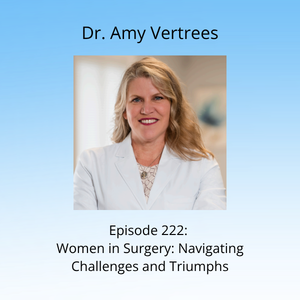
What does it really take to build a successful career as a woman in surgery?
In this episode of BOSS Business of Surgery, host Dr. Amy Vertrees sits down with the editors of the new book Women in Surgery: Navigating Challenges and Triumphs to discuss the real stories behind surgical careers.
Instead of theoretical advice, this book shares honest experiences from surgeons across generations—covering imposter syndrome, mentorship, leadership, motherhood, advocacy, and resilience.
The conversation explores how women surgeons support each other, challenge broken systems, and continue shaping the future of the profession.
What You'll Learn
• Why surgical careers rarely follow a smooth path
• How imposter syndrome shows up at every career stage
• Why mentorship and sponsorship are essential in surgery
• The reality of balancing surgical careers and family life
• What it means to advocate for patients—even when it's difficult
• How resilience evolves from early career to senior leadership
Stories Highlighted in the Book
The book includes stories from a wide range of contributors—from surgical pioneers to modern leaders.
One powerful chapter by breast surgeon Beth Dupree describes becoming a whistleblower after discovering missed cancer diagnoses at her institution, demonstrating the courage sometimes required to advocate for patients.
Another chapter highlights pioneering burn surgeon Mary Lou Patton, representing the generation of women who helped open the doors for those who followed.
Editor Perspectives
Each editor shares personal experiences reflected in the book.
Dr. Kahyun Yoon-Flannery discusses the emotional experience of losing a patient who had become a close connection during treatment.
Dr. Maureen Moore reflects on raising four children while building a surgical career and the importance of a supportive partner.
Dr. Asanthi Ratnasekara explores the importance of surgical partnerships and how finding supportive colleagues can make or break a career.
Key Themes from the Episode
-
Imposter syndrome affects surgeons at every level
-
There is no perfect balance between career and life
-
Women surgeons often succeed through strong professional networks
-
Difficult conversations and disagreements are part of meaningful collaboration
-
Sharing stories helps future surgeons navigate their careers

BOSS Business of Surgery Series – Episode 214
Math Not Drama Replay
In this episode of the BOSS Business of Surgery Series, Dr. Amy Vertrees shares a replay of her webinar Math Not Drama, a practical session designed to help surgeons better understand the financial math of their practices, careers, and decision-making.
Dr. Vertrees explains why knowing the numbers matters whether you are employed, in private practice, RVU-based, salaried, or building something new. When surgeons do not understand how revenue, expenses, taxes, referrals, clinic volume, cases, collections, and time all connect, they are more vulnerable to frustration, overwork, underpayment, and fear-based decisions.
This episode is about replacing emotional overwhelm with clear, simple tracking so you can make better choices about your practice, your income, your time, and your future.
In this episode, you’ll learn:
- Why every surgeon needs to understand the math of their practice
- How not knowing the numbers can put your job, practice, and income at risk
- Why your take-home pay is not just income, but income minus expenses and taxes
- How net worth gives a broader picture of financial health than salary alone
- Why tracking your numbers can create confidence and help you take smart risks
- How surgeons can translate their value into income beyond RVUs and CPT codes
- The difference between working in your business and working on your business
- Why CEO time matters, even when it does not immediately generate RVUs
- How “growth days” can help you step back, think strategically, and make better decisions
- Why physicians need to understand their capacity to get, hold, and use money
- How thoughts about greed, worthiness, and fear can limit earning potential
- Why invisible work and unpaid work can lead to resentment if you are not clear on the value exchange
- How clinic referrals, clinic spots, cases, collections, and denials all affect income
- Why clinic visits can matter financially, not just operative cases
- How to begin tracking cases and collections with a simple notebook and Excel sheet
- Why consistency matters more than creating the perfect tracking system
- How tracking can help you decide what to stop doing, keep doing, or do differently
- Why understanding your practice math can help you work less, work smarter, and plan your next career chapter
Key themes:
- Financial clarity for surgeons
- Math instead of emotional drama
- Understanding your worth
- Income, expenses, taxes, and net worth
- Practice ownership mindset
- CEO thinking for physicians
- Clinic math and case tracking
- Simple systems over complicated reports
- Career planning through numbers
- Freedom through financial awareness
Practical strategies discussed:
- Track income, expenses, taxes, and net worth over time
- Identify all sources of income, including clinical, non-clinical, and passive income
- Think of yourself as “You, Incorporated”
- Ask, “What does the business say?” before making commitments
- Block time to work on your business, not only in it
- Use a simple daily case log to track cases, rounds, and consults
- Transfer weekly data into a basic Excel sheet
- Track date, patient, case type, and collections
- Review clinic math by looking at referrals, open spots, no-shows, cases booked, and collections
- Look at what cases generate income, energy, dread, complications, or consistency
- Use monthly, quarterly, yearly, and long-term reviews to shape your practice
- Try a tracking system for one month before overbuilding it
- Keep the system simple enough to maintain during busy weeks
- Use the information to make actual decisions, not just collect data
Resources mentioned:
- BOSS Surgery / BOSS Surgeons Coaching Program
- Difficult colleagues and difficult partners coaching
- Complications coaching
- Power negotiating
- Stop Hating Clinic
- CEO planning
- Purpose Planner
- Growth Days
- Become the Boss MD Facebook group
- BOSS email list and giveaways
- Boss Business of Surgery Series: https://bossurgery.com
This episode is a practical reset for surgeons who feel overwhelmed by money, productivity, clinic volume, or practice decisions. Dr. Vertrees’ message is simple and powerful: when you understand the math, you can stop spinning in drama and start making clear, confident decisions about your work, money, and future.
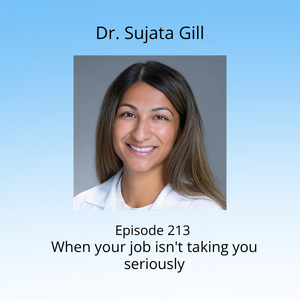
How do you know when it’s time to leave a job—and how do you trust yourself enough to do it?
In this episode of the BOSS Business of Surgery Series, host Dr. Amy Vertrees sits down with longtime friend and colleague Dr. Sujata Gill for a candid, deeply honest conversation about career fit, power, gender dynamics, and navigating a difficult transition in surgery.
Dr. Gill shares her journey from an initially rewarding community hospital role to a position that gradually became professionally suffocating—despite long hours, leadership roles, and relentless effort. She describes what it felt like to be treated as an employee rather than a physician, to be labeled “too high standard” and “too likable,” and to repeatedly be passed over for leadership roles she was qualified to hold.
This episode explores the psychological and emotional toll of staying too long, the fear and imposter syndrome that can follow even experienced surgeons into new roles, and the critical skill of not carrying old stories into new contexts.
Dr. Gill’s story ultimately becomes one of clarity, courage, and renewal—finding a physician-friendly system, supportive partners, full scope practice, and joy in surgery again.
If you’re questioning your current role, feeling “capped,” or wondering whether something better actually exists—this episode is for you.
What You’ll Learn
-
How to recognize when a job is no longer a good professional fit
-
Why working harder doesn’t fix a misaligned system
-
The hidden cost of being treated as an “employee” rather than a physician
-
How gender bias can show up subtly—and how to respond without internalizing it
-
Why transitions often come with fear, imposter syndrome, and grief
-
How negative stories from past jobs can contaminate new opportunities
-
The importance of consciously choosing context in professional relationships
-
What it looks like to become a “happy surgeon” again
Chapters / Timestamps
00:00:02 – Dr. Gill’s background and early career decisions
00:01:26 – Early success and growing frustration in community practice
00:04:18 – Systemic issues and gender-based challenges
00:13:07 – The breaking point and decision to leave
00:23:07 – Not getting stuck in stories during transition
00:31:04 – Finding fulfillment and lifting others as you rise
Action Items
-
Pay attention to signs that you feel “capped” or powerless despite effort
-
Examine whether frustration is about you—or the system you’re in
-
Be intentional about releasing old narratives when entering new roles
-
Seek coaching or support during career transitions
-
Support others navigating similar challenges as part of your own healing
About the Guest
Dr. Sujata Gill is a general surgeon with expertise in bariatric and robotic surgery. After navigating a difficult and misaligned hospital system early in her career, she now practices in a physician-friendly environment that allows her to work at full scope, prioritize her family, and rediscover joy in surgery. She is passionate about supporting other physicians through career transitions and professional healing.
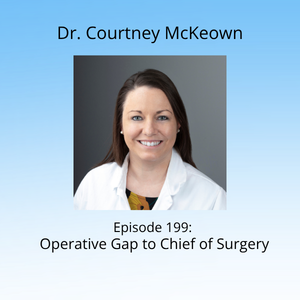
In this episode of the Boss Business of Surgery Series, Dr. Amy Vertrees sits down with Dr. Courtney McKeown, who shares her remarkable journey from navigating an operative gap to becoming chief of surgery at a rural hospital.
Dr. McKeown opens up about the challenges she faced after being laid off from her first job, her prior recovery from substance use disorder, and the difficulties of securing a new position with a gap in her surgical practice. Together, Dr. Vertrees and Dr. McKeown dive deep into what it takes to return to surgery after time away, from licensing hurdles to credentialing committees, malpractice insurance, and professional references.
The conversation also highlights the American Board of Surgery’s reentry guidelines, state-specific policies on operative gaps, and the importance of supportive partners and mentorship during the reentry process.
Now serving as chief of surgery, Dr. McKeown reflects on how her experience not only rebuilt her career but also brought life-changing surgical services to underserved communities. Her story is both a candid look at the obstacles surgeons face and an inspiring example of resilience, mentorship, and community impact.
What You’ll Learn in This Episode:
-
The challenges of returning to surgery after an operative gap
-
How state licensing boards and disciplinary history affect reentry
-
The step-by-step process of hospital credentialing
-
Why references and case logs are crucial for reentry
-
Insights into the American Board of Surgery’s reentry guidelines
-
The role of mentorship and supportive partners in regaining confidence
-
How Dr. McKeown expanded surgical services in rural Tennessee hospitals
Resources & Action Items:
-
90-Day Notice Program for doctors seeking new positions – launching Sept 28 at 4 p.m. CT Click HERE
-
Keep case logs organized (last 12 months, last 2 years, etc.) for credentialing
-
American Board of Surgery Reentry Guidelines HERE
-
Joint Commission FPPE Guidelines HERE
Chapters:
-
00:00 – Introduction to Dr. McKeown’s journey
-
01:14 – Background and initial challenges
-
04:01 – Finding a new position
-
05:44 – Licensing challenges
-
07:09 – State requirements for operative gaps
-
09:13 – Impact on board certification
-
10:36 – Reciprocal disciplinary actions
-
16:13 – Malpractice insurance considerations
-
17:22 – Reference challenges
-
19:43 – Finding the right practice environment
-
22:00 – Qualities to look for in partners
-
24:47 – Mutual benefits of mentorship
-
36:49 – Hospital credentialing process
-
42:08 – ABS reentry guidelines
-
46:58 – Gradual return to independent practice
-
56:42 – Current success as chief of surgery
-
59:57 – Expanding services and rural community impact
-
1:02:25 – Conclusion and future impact
🎧 Listen now to hear Dr. McKeown’s inspiring story of resilience, reentry, and redefining what it means to build a surgical career.

Dr. Elisa Chiang discussed strategies for creating predictability in unpredictable economic times, emphasizing that the fundamentals of the economy are generally sound, with current uncertainty stemming from external factors. She highlighted the importance of understanding economic interrelations and the potential impact of challenging international relationships.
Dr. Chiang suggested that individuals and businesses should evaluate their dependencies and explore ways to become more self-reliant. For physicians, this includes recognizing the value of their skills and exploring options beyond traditional employment, such as private practice or becoming invaluable within their current roles. She also emphasized the importance of diversifying income streams and managing personal finances to reduce reliance on a single paycheck.
The conversation also covered strategies for physicians to increase their income, such as specializing in high-value procedures, leveraging support staff, and improving efficiency. Dr. Chiang advised questioning fixed mindsets, challenging existing beliefs, and experimenting with new approaches to adapt to unpredictable times. She also discussed tax planning, investment strategies, and the importance of maintaining a long-term perspective when dealing with market volatility. For those nearing retirement, she recommended assessing risk tolerance, diversifying portfolios, and building a cash cushion.
Dr. Chiang offers one-on-one coaching to help individuals navigate their financial situations and achieve their financial goals. Her podcast, 'Grow Your Wealthy Mindset,' provides financial literacy in bite-sized pieces, helping listeners build the knowledge and mindset needed to create financial stability.
Chapters
Introduction to Predictability in Unpredictable Times
- Elisa Chiang was invited to discuss creating predictability in unpredictable economic times.
- The discussion is framed as non-political, focusing on the factual unpredictability of the world.
- The goal is to provide strategies for individuals to make their financial situations more predictable.
Economic Fundamentals and Global Interdependence
- Chiang stated that the fundamentals of the economy are still good, unlike the issues in 2008 with banking regulation.
- The current uncertainty is attributed to the actions and statements of certain individuals.
- The discussion highlights the importance of understanding the complexities of economics and global interrelations.
- Anytime decisions are made from an independent place, you start to realize we're actually not independent at all.
Challenging Independence and Embracing Interdependence
- Chiang suggests challenging the idea of complete independence and recognizing interdependence on others.
- Asking questions about dependencies and self-reliance is valuable, but actions must be carefully considered.
- Many people feel dependent on their paycheck, but physicians have options due to the physician shortage.
- Separating the ability to produce income from the current job can create stability.
Creating Independence and Managing Control
- The discussion covers the mentality behind creating a private practice and the desire for independence.
- It's noted that even in private practice, there is still interdependence on systems and people.
- The focus should be on how to become independent and self-determining results in situations where you don't have control over all of these things.
- It's important to understand what you can and can't control.
Strategies for Exerting Independence
- Chiang suggests becoming an entrepreneur within your job to make yourself invaluable.
- This involves attracting patients directly and highlighting your value to the practice or institution.
- Employers care about generating income, so making yourself invaluable in this area is crucial.
- Taking care of personal finances and creating multiple income streams reduces reliance on a single paycheck.
Translating Value into Income
- The inherent value of experience, training, and knowledge is highlighted.
- Physicians translate this value into income through their actions.
- The trap of trading time for money limits income potential unless value is translated into different income streams.
- The discussion explores ways physicians can generate income outside the classic RVU model.
Increasing Income within the Physician Realm
- Specializing in specific procedures or surgeries can elevate income.
- Leveraging other people, such as nurse practitioners, can double clinic output.
- Hiring scribes can increase productivity and collections.
- Physicians should work at the top of their income level, delegating tasks to others.
Mindset Shifts for Unpredictable Times
- Adopting a growth mindset can help individuals respond more effectively in unpredictable times.
- Questioning current beliefs and challenging the status quo is important.
- Comparing oneself to others who are thriving can provide insights and motivation.
- Willingness to spend money to make money and accepting failure are key to success.
Helping Individuals Deal with Change
- Questioning the truth of current situations and exploring potential changes is crucial.
- Experimenting with small changes and learning from others can lead to improvements.
- Advocating for necessary resources, such as dedicated scrub techs, can increase efficiency.
- Believing in the potential for change and presenting a clear case for it is essential.
Financial Viability in Private Practice
- A simple formula for private practice success is income minus expenses minus tax burden.
- All three factors can be influenced in different ways.
- Leveraging people, doing more cases, and optimizing income streams are ways to increase income.
- Tax burden can be managed through various strategies.
Tax Planning and Side Businesses
- Every time is unpredictable, so framing the mindset accordingly is important.
- The more we think like, yeah, the world is doing whatever it's worlding. The world is doing whatever it's doing. We can make our own predictivity, then we don't have to keep thinking like, oh, it's unpredictable, and we have no way to affect it. It's just always unpredictable.
- As a W-2 employee, there are limited options for tax reduction.
- Having a side business can provide opportunities to write off personal expenses.
- Side hustles should align with passions and translate into value and money.
Time Management and Productivity
- Finding something else that you need to find you having to find more time in order to do something helps you structure your time so that you are most efficient with your time.
- Limited time resources require careful management.
- Calendaring and time-blocking can improve efficiency.
- Having a list of tasks that can be done in 10-15 minute intervals can boost productivity.
Managing Retirement Funds
- If retirement is 10 years or more away, continue with the financial plan and consider contributing more.
- Maximize retirement accounts and explore other savings options.
- Buying stocks when they are on sale can be a great strategy.
- Establish a risk tolerance and adjust investment strategies accordingly.
Investment Strategies and Risk Tolerance
- The stock market tends to go up over time, especially with more people investing.
- Investing during downturns can lead to better outcomes.
- Even in retirement, there is still a long investing career ahead.
- Avoid panic selling and maintain a long-term perspective.
Retirement Planning and Withdrawal Rates
- Assess investment strategies and consider shifting to a more conservative portfolio if nearing retirement.
- Develop a cash cushion to avoid selling stocks during the first few years of retirement.
- Understand what money is for and focus on enjoyment and security.
- Consider a Monte Cristo analysis to assess the chances of running out of money.
Dr. Chang's Coaching and Podcast
- Chiang offers one-on-one coaching to help individuals reach their financial goals.
- She provides a judgment-free zone to discuss finances and job transitions.
- Her podcast, 'Grow Your Wealthy Mindset,' provides financial literacy in bite-sized pieces.
- The podcast helps listeners learn the information and mindset needed to create financial stability.
Action Items
Dr. Chiang suggested individuals and businesses should evaluate their dependencies and explore ways to become more self-reliant.
Dr. Chiang advised physicians to recognize the value of their skills and explore options beyond traditional employment.
Dr. Chiang emphasized the importance of diversifying income streams and managing personal finances.
Dr. Chiang recommended questioning fixed mindsets and experimenting with new approaches.
Dr. Chiang advised assessing risk tolerance and diversifying portfolios.
Dr. Chiang recommended building a cash cushion for those near
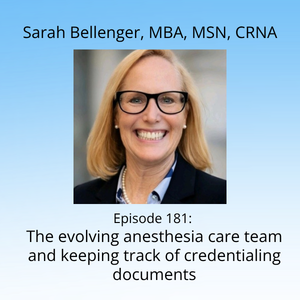
Dr. Amy Vertrees hosts a discussion with Sarah Bellenger, a CRNA with extensive military and civilian healthcare experience. Sarah discusses her journey from military service to civilian practice, and the development of her app 'ManageYou'.
Sarah Bellenger shares her 25-year nursing career experience, including service at the White House, military deployments, and transition to civilian practice. She emphasizes the importance of team-based care and the evolving role of CRNAs, particularly in rural healthcare settings.
The discussion explores the challenges in anesthesia care team models, with Sarah explaining how CRNAs work independently in rural settings while collaborating with anesthesiologists in urban areas. She notes that the industry faces a significant staffing shortage, with a need for various provider types to ensure adequate coverage.
Sarah introduces her app 'ManageYou', developed to address the widespread challenge of managing healthcare credentials. The app, available in both app stores, helps healthcare providers track and manage their professional documents, certifications, and licenses. She mentions that credential management is a $39 billion industry, and document mismanagement can cost facilities approximately $9,000 per day in lost billables.
The discussion concludes with Sarah outlining future developments for ManageYou, including enhanced security features and potential integration with national credentialing systems. She emphasizes the importance of making credential management more efficient and accessible for healthcare providers.
Chapters
Introduction and Background
Dr. Amy Vertrees introduces Sarah Bellenger, a CRNA with extensive military experience who developed an app for credential management. Sarah shares her 25-year nursing career journey, including service at the White House and multiple deployments.
Evolution of CRNA Practice
Sarah discusses the differences between military and civilian CRNA practice, emphasizing the importance of independent practice capabilities, especially in rural healthcare settings. She explains how military training prepares CRNAs for autonomous practice.
Anesthesia Care Team Models
Sarah explains the various anesthesia care team models, discussing the collaboration between CRNAs and anesthesiologists, particularly in urban versus rural settings. She addresses the industry-wide staffing challenges and potential solutions.
ManageYou App Development
Sarah describes the development of ManageYou, inspired by personal experiences with credential management challenges. She explains how the app helps healthcare providers organize and track their professional documents and certifications.
Security and Future Development
Sarah outlines the security measures implemented in ManageYou and discusses future developments, including enhanced features and potential integration with national credentialing systems.
Action Items
Sarah Bellenger mentioned the launch of ManageYou app in both Google Play and App Store for healthcare providers to manage their credentials
Sarah Bellenger indicated plans to implement new security features for the app that exceed current standards
Sarah Bellenger proposed integration with NCQA and other national credentialing systems for streamlined verification processes
Sarah Bellenger recommended starting credential documentation with high-priority items like diplomas and frequently renewed certifications like CPR
Linktree: http://linktr.ee/manageyou
Website: www.manageyouapp.com
LinkedIn https://www.linkedin.com/company/manage-you/
Instagram https://www.instagram.com/manageyou_app
Facebook https://www.facebook.com/Manageyouapp1
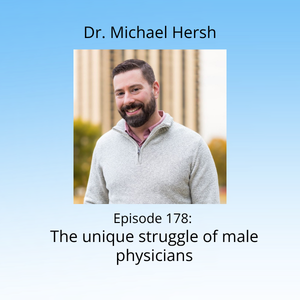
In this episode, we sit down with Dr. Michael Hersh, a practicing gastroenterologist and physician coach, to discuss his personal journey through medical burnout and how coaching transformed his career and well-being. Dr. Hersh shares candid insights into the pressures of practicing medicine, the impact of a malpractice lawsuit, and the additional stressors brought on by COVID-19. He highlights the power of choice in shaping a sustainable medical career, the importance of work-life balance, and the role of vulnerability in leadership. We also delve into gender dynamics in medicine and the unique challenges male physicians face in work-life balance and emotional resilience.
Dr. Hersh offers practical strategies for reclaiming agency in the workplace, setting boundaries, and using stress constructively. Tune in to learn how physician coaching can be a game-changer for personal and professional fulfillment.
Chapters:
🔹 Introduction & Background – Meet Dr. Michael Hersh, his career in gastroenterology, and his journey into physician coaching.
🔹 The Burnout Struggle – How a malpractice lawsuit and the pandemic led Dr. Hersh to the breaking point.
🔹 The Power of Coaching – How physician coaching helped him redefine success and regain control.
🔹 Work-Life Balance Hacks – Implementing breaks, setting boundaries, and taking time off without guilt.
🔹 Gender & Medicine – How systemic structures impact male and female physicians differently.
🔹 Vulnerability & Leadership – Why authenticity and openness are essential for strong leadership in medicine.
Actionable Takeaways:
✅ Schedule regular breaks to boost well-being and productivity.
✅ Consider taking a weekly day off to improve work-life balance.
✅ Reframe stress as an opportunity for growth rather than a burden.
✅ Explore free coaching resources at betterphysicianlife.com.
🎧 Listen now to gain valuable insights on transforming burnout into balance and reclaiming control over your career!

In this interview, Dr. Sarah Smith, a rural family physician and charting coach, shared valuable insights about improving clinical efficiency and patient care. Dr. Smith discussed common challenges faced by surgeons in clinic settings, including high patient volume, time management, and staff delegation. She emphasized the importance of effective communication with clinic staff, proper delegation, and creating standard operating procedures. Dr. Smith also highlighted strategies for managing patient encounters more efficiently, including integrating note-taking into patient visits and prioritizing tasks. The discussion covered both clinical workflow optimization and staff management, providing practical solutions for improving surgical practice efficiency. Dr. Smith introduced her program 'Charting Champions' and the 'Sustainable Clinical Medicine' podcast as resources for further support and development.
Chapters
Introduction to Dr. Sarah Smith and Clinic Challenges
Dr. Sarah Smith introduced herself as a rural family physician working in various capacities including emergency and hospitalist roles. She discussed common challenges in surgical clinics, including high patient volume, staff interruptions, and time constraints.
Staff Delegation and Management
Dr. Smith emphasized the importance of understanding staff capabilities and creating a common goal. She discussed how to identify staff strengths and weaknesses, and the importance of developing standard operating procedures for clinic tasks.
Patient Encounter Optimization
Dr. Smith provided strategies for managing patient visits more efficiently, including integrating note-taking during consultations, prioritizing tasks, and making effective use of appointment time.
Charting and Documentation Strategies
Dr. Smith discussed the importance of completing notes during patient encounters rather than leaving them until later, and the value of leaving 'breadcrumbs' in documentation to avoid blank notes.
Introduction to Charting Champions Program
Dr. Smith introduced her 'Charting Champions' program, which offers foundational modules and ongoing support for healthcare professionals looking to improve their clinical efficiency and documentation practices.
Action Items
Implement standard operating procedures for clinic tasks to improve efficiency
Schedule regular check-in times for staff to ask questions and receive guidance
Create answer sheets for frequently asked questions to empower staff
Integrate note-taking into patient encounters rather than leaving it until later
Consider joining the Charting Champions program for ongoing support check it out here

Meet Your Host
Amy Vertrees, MD is a board-certified general surgeon, certified coach, and the founder and host of the BOSS Business of Surgery Series podcast — a show dedicated to helping surgeons build confidence, clarity, and control in their careers by mastering the skills residency never taught them. After completing surgical training and serving in the military, Amy realized that clinical excellence alone wasn’t enough to navigate the complexities of contracts, practice dynamics, negotiation, and career growth. What started as her personal journey to learn “what’s next” transformed into a mission to empower fellow surgeons with the tools to thrive both professionally and personally. .
Learn More >